WhatsApp +44 7367 063273
Ryan B.
Seattle, US · Jun 2026
Great for photo uploads
Used this eSIM for my trip to Guatemala and it was a lifesaver for backing up my photos. I just wish there were more data plans to choose from. Still, very happy overall!
57 verified reviews
Based on 57 reviews
Ryan B.
Seattle, US · Jun 2026
Used this eSIM for my trip to Guatemala and it was a lifesaver for backing up my photos. I just wish there were more data plans to choose from. Still, very happy overall!
Emma T.
Edinburgh, GB · May 2026
I enjoyed my time in Guatemala with esima. Customer support was responsive, but I did wish their email response was a bit quicker. Definitely a good choice for travelers!
Anna V.
Amsterdam, NL · May 2026
This eSIM made my trip to Lake Atitlán so much easier! I had no problem staying connected while discovering the beautiful views. Definitely saved me from the hassle of getting local SIM cards.
Olivia P.
Austin, US · May 2026
Using esima in Guatemala made my trip so much easier. I could quickly share updates with friends and use translation apps on the go. The setup was instantaneous after I scanned the QR code.
Jessica L.
New York, US · May 2026
Really loved having this eSIM while exploring Guatemala. I wish I'd bought the bigger data plan, though! I ran out a bit quickly with all the photos I took. Overall, a solid choice!
Elena G.
Madrid, ES · Apr 2026
The eSIM worked flawlessly the moment I touched down in Guatemala City. I was able to navigate with Google Maps and stay in touch with family back home without any hassle. Highly recommend esima!
Liam C.
Vancouver, CA · Apr 2026
The QR scan setup took only seconds! I was able to stay connected while exploring Antigua. It made group chats with friends so easy.
Camila R.
Mexico City, MX · Apr 2026
The eSIM from esima made my travels so much easier! I was able to use Google Maps and keep in touch with my friends without a hitch. Highly recommend for anyone heading to Guatemala!
Typical home-carrier roaming
$8–$15
per day
Esima eSIM
$8.49
Flat rate
Most international carriers charge per-day roaming fees for Guatemala, and those bundles typically throttle after the first gigabyte or two — fine for maps and messaging, but painful if you are uploading photos from Tikal or streaming a shuttle-van playlist on the Lake Atitlán road.
Hotspot and tethering are often blocked or cost extra, so you cannot share data with a travel partner or connect a laptop. The eSIM gives you a flat data pool at local-market pricing, with no throttling and no per-day clock.
You pay once, use what you need, and top up in the app if you run low. Your home carrier's roaming bundle might work in Guatemala City and Antigua, but it will still hand you off to the same Tigo or Claro towers the eSIM uses — you are just paying more for the privilege.
Different trip, same eSIM — here is how it lands for the most common visitors to Guatemala.
You are studying Spanish for three weeks in Antigua. The eSIM keeps you connected to your school's WhatsApp group, lets you navigate to weekend trips at Lake Atitlán and Pacaya Volcano, and gives you hotspot for your laptop when the homestay Wi-Fi drops. Tigo's 4G covers the colonial center and the main bus routes, so you never miss a class update or a shuttle confirmation.
Antigua language student
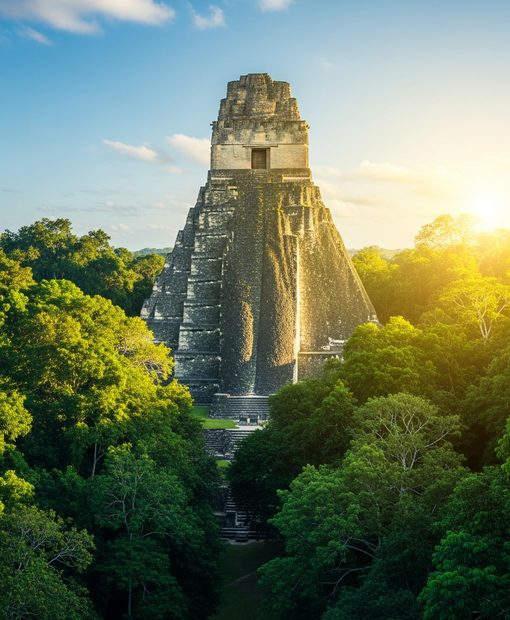
You fly into Flores to see Tikal's Mayan ruins. The eSIM gives you 3G in Flores town and El Remate for booking your guide and confirming your hotel, but the jungle ruins themselves are a dead zone. You pre-download offline maps and your guide's WhatsApp threads before entering the park, then reconnect when you return to Flores for dinner.
Tikal archaeology traveler
You spend a week hopping between Panajachel, San Pedro, San Marcos, and Santiago Atitlán by lancha boat. The eSIM keeps you on 4G in each village's town center, lets you message hostels for last-minute bookings, and stays connected on boat transfers close to shore. You download offline maps for the hiking trails between villages, where signal drops until you descend into the next town.
Lake Atitlán village-hopper
The apps locals and travelers actually use — the ones that need real cell data, not just hotel Wi-Fi.

Uber
Rideshare in Guatemala City and Antigua

InDriver
Rideshare in Quetzaltenango (Xela) where Uber does not operate

Hostel bookings, shuttle confirmations, guide check-ins, lancha schedules
Google Maps
Navigation and offline maps for highland routes and Petén backcountry

Maps.me
Offline maps for hiking trails and remote villages
~40MB/day for chats and hostel confirmations, ~120MB/day with voice calls to guides or shuttle drivers.
Maps
~60MB/day for live navigation between cities; ~10MB/day if you pre-download offline maps for Antigua, Lake Atitlán, and Tikal.
Rideshare
~5MB/day for Uber in Guatemala City or Antigua, ~3MB/day for InDriver in Xela — both apps are lightweight and cache routes.
Guatemala's rainy season runs May through October, and heavy afternoon storms can temporarily degrade 3G signal in the Petén lowlands and the highland routes between Xela and the Ixil Triangle.
Tigo and Claro's 4G networks in Guatemala City, Antigua, and Lake Atitlán are unaffected, but if you are traveling to Tikal or remote villages during the wet months, expect slower speeds or brief outages during the heaviest downpours. Download offline maps and cache your WhatsApp threads before heading into rural areas. The dry season (November through April) delivers the most consistent coverage across the country.
Flores town and El Remate have 3G on Tigo and Claro, but Tikal's jungle ruins are a dead zone on every carrier. Pre-download your offline maps, guide PDFs, and any WhatsApp threads you will need before entering the park. Signal returns once you drive back to Flores.
Yes. Panajachel, San Pedro La Laguna, and San Marcos all have 4G from Tigo and Claro in the main town areas. Lancha boat transfers between villages stay on signal close to shore. Signal drops on the hiking trails between villages but returns as soon as you descend into the next town.
Yes. Tigo has dense 4G coverage across Xela's city center and the main bus terminals. Claro covers the highland corridors around the city. InDriver operates here for rideshare; Uber does not. Download offline maps if you are heading into the villages around Zunil or the Ixil Triangle.
Yes. Antigua has dense 4G from Tigo across the colonial center, Parque Central, and the ruins. Uber operates reliably, and shuttle-van bookings arrive via WhatsApp with live SMS confirmation. Coverage holds on the road to Pacaya Volcano but drops above the base camp.
A week of WhatsApp messaging, Google Maps navigation, and occasional photo uploads runs about 2–4GB. If you are streaming music on shuttle rides, uploading Tikal photos, or video-calling home, budget 5–7GB. Hostel Wi-Fi is common in Antigua and Lake Atitlán, so you can offload heavy uploads there.
Yes. WhatsApp voice and video calls work over the eSIM's data connection. Call quality is good in Guatemala City, Antigua, and Xela on 4G; expect lower quality or drops in 3G zones like Flores or the highland routes between cities.
Live navigation with traffic uses about 5–10MB per hour. A full day of driving from Antigua to Lake Atitlán or Guatemala City to Tikal will consume 50–80MB. Download offline maps for the highland routes and Petén backcountry before leaving the city to save data and avoid dead zones.
Tigo has the densest 4G across Zona 10, Zona 4, and the airport area. Claro covers the main routes and the outer zones. Both carriers deliver reliable speeds for Uber, WhatsApp, and maps in the city center. The eSIM hands off between them automatically, so you get the strongest signal at your location.
Tigo leads in Antigua and Quetzaltenango (Xela). Claro covers the highland corridors and the Pan-American Highway between cities. Both carriers have 4G in the main towns; coverage thins on side roads into the Ixil Triangle and remote villages. The eSIM switches between them based on signal strength.
Yes. Uber operates in Guatemala City and Antigua, and the app works over the eSIM's data connection. InDriver covers Quetzaltenango (Xela) where Uber does not operate. Both apps pull live traffic data and send driver notifications without lag on Tigo or Claro's 4G network.
Yes. Most hostels and tour operators book shuttle vans through WhatsApp or local apps, and they send live SMS or WhatsApp confirmations with pickup times and driver details. The eSIM keeps you connected on travel days so you do not miss a message or a schedule change.
The airport SIM counter in Guatemala City sells Claro and Tigo prepaid SIMs, but you will need your passport, a cash deposit, and about 15 minutes to activate. The eSIM installs before you board, so you land with data already active. Pricing is similar; the eSIM wins on convenience and the ability to top up in the app without finding a Tigo store mid-trip.
Yes, close to shore. Lancha transfers between Panajachel, San Pedro, and San Marcos stay on Tigo or Claro's 4G signal near the docks and for the first few minutes of the crossing. Signal drops mid-lake on longer routes but returns as you approach the next village.
Yes. Hotspot and tethering are enabled by default, so you can share the eSIM's data with a laptop, a tablet, or a travel partner's phone. No throttling on the first 5GB like some local carrier deals. Useful if you are working remotely from an Antigua café or uploading photos from Lake Atitlán.
Going further than Guatemala? These plans include Guatemala plus everywhere in between.
Guatemala runs on WhatsApp — hostel bookings, shuttle confirmations, guide check-ins, and lancha boat schedules all arrive as messages.
A Guatemala eSIM connects you to Tigo or Claro's local network the moment you land in Guatemala City, so you skip the airport SIM counter, the passport photocopy, and the per-day roaming charge from your home carrier. One QR code, one tap, you are online from Antigua's cobblestones to the Lake Atitlán docks.
Balanced use — social, navigation & light streaming
How many travelers?
Installing the eSIM before you board means you land in Guatemala City with data already active — no queue at the Claro kiosk, no passport scan, no waiting for a physical SIM to provision.
Scan the QR code from your booking email, add the eSIM as a secondary line, and toggle it on when you touch down. The profile connects to Tigo or Claro within 30 seconds, and you can open WhatsApp, confirm your Antigua shuttle, or request an Uber while still in the arrivals hall.
Across the country, coverage follows population density. Guatemala City, Antigua, and Xela all have dense 4G from Tigo; the Pan-American Highway and the highland routes between them stay on Claro's network.
Lake Atitlán's main villages — Panajachel, San Pedro, San Marcos — have 4G in the town centers; signal drops on the hiking trails between villages but returns as soon as you descend.
Tikal is a different story: Flores town and El Remate have 3G, but the jungle ruins themselves are a dead zone on every carrier. Download your maps, your guide PDFs, and any WhatsApp threads you will need before entering the park.
The eSIM behaves like a local prepaid SIM — you get the same towers, the same speeds, the same coverage gaps — but without the cash deposit, the passport photocopy, or the need to find a Tigo store when you run out of data. Top-ups happen in the esima app, and your balance never expires mid-trip.
Three reasons travelers pick esima for Guatemala. First: pricing is local-market, not roaming-market — you pay what a Guatemalan prepaid customer pays, not what your home network charges for a foreign tower.
Second: the eSIM hands you off between Tigo Guatemala and Claro Guatemala automatically, so you get the strongest signal in Xela's highlands rather than a single carrier's blind spot.
Third: hotspot and tethering are enabled by default — important if you are traveling with a laptop, a tablet, or a partner whose phone does not support eSIM. No throttling on the first 5GB like some local carrier deals.
Your QR code lands in your inbox minutes after purchase.
Pay one upfront price — no surprise charges abroad.
Your physical SIM stays active for calls and texts.
Connect to top-rated local networks at full speed.
Real humans ready to help, any time zone, any day.
Scan once and you're online — no app, no SIM swap.
Our Guatemala eSIMs run on the Tigo Guatemala and Claro Guatemala networks (Movistar is the third national option but has weaker rural reach, so most travel eSIMs including ours prioritize the first two). Tigo leads on 4G density across Guatemala City, Antigua, and Quetzaltenango (Xela).
Claro covers the highland corridors and the main routes between cities. Both carriers deliver 4G in the Lake Atitlán villages — Panajachel, San Pedro La Laguna, and San Marcos — and lancha boat transfers between villages stay on signal close to shore.
Tikal National Park and the Flores entrance road have 3G in El Remate and Flores town, but effectively none deep inside the park. Pre-download your guide WhatsApp conversations and offline maps before entering.
The Ixil Triangle and remote Petén backcountry are 3G or dead zones on every carrier.
Network
Make sure your phone supports eSIM — most recent models do.
Pick a plan and pay securely. Your QR code arrives by email in minutes.
Scan the QR code, enable data roaming on arrival, and you're online.