WhatsApp +44 7367 063273
Charlotte F.
Montreal, CA · May 2026
Good coverage, wish for more data
The eSIM provided solid coverage during my stay, but I wish I'd bought the bigger data plan. It was perfect for light browsing, but I had to manage my usage.
57 verified reviews
Based on 57 reviews
Charlotte F.
Montreal, CA · May 2026
The eSIM provided solid coverage during my stay, but I wish I'd bought the bigger data plan. It was perfect for light browsing, but I had to manage my usage.
Anna V.
Amsterdam, NL · May 2026
Loved having the esima eSIM during my trip to Niger! It made navigating the city so much easier, and I could share photos instantly. Highly recommend for travelers!
David H.
Chicago, US · May 2026
The eSIM worked well overall during my time in Niger. Just a side note, I wish I had opted for the larger data plan; I ran out a day early. Customer support was prompt, though it felt like forever while I waited for their reply.
Noah K.
Brisbane, AU · Apr 2026
The eSIM worked well during my trip to Niger. The email took a couple minutes to arrive, but after that, it was smooth sailing. Would love to see more pricing tiers for future trips!
Jessica L.
New York, US · Apr 2026
The eSIM worked great during my trip to Niger, allowing me to share photos and keep up with group chats. I wish I'd bought the bigger data plan, though! Customer support was responsive, but it took a bit longer than I hoped.
David H.
Chicago, US · Apr 2026
Installation was quick with the QR code, and I had no issues while in Niger. Just wish I'd opted for a bigger data plan since I ended up streaming a lot!
Emma T.
Edinburgh, GB · Mar 2026
This eSIM is a game-changer! I had it installed instantly and connected while at the airport in Niger. I didn’t have to worry about finding a local SIM or dealing with roaming charges. Perfect for staying connected during my adventure!
Camila R.
Mexico City, MX · Mar 2026
Setting up the eSIM was a breeze! I just scanned the QR code and had instant access to data. I was able to stay connected with my family through group chats throughout my travels.
Typical home-carrier roaming
$12–$22
per day
Esima eSIM
$6.49
Flat rate
Most international carriers treat Niger as a high-tier roaming zone — you pay a flat daily fee (often in the range of our roamingDailyCostUsd estimate) for a capped data allowance, typically 500 MB to 1 GB, with heavy throttling after that. Hotspot is usually blocked or costs extra.
If you are in Niamey for a week, that daily charge compounds fast, and the throttled fallback speed makes mobile-money confirmations or consular-app check-ins painfully slow. An esima eSIM gives you a fixed data pool at local-market pricing — no per-day tick, no surprise overage, no throttle cliff.
You control when you top up, and hotspot works from day one. The eSIM also hands off between Airtel Niger and Orange Niger automatically, so you get the stronger tower in each neighborhood rather than being locked to whichever carrier your home network has a wholesale deal with.
For a country where connectivity is sparse outside the capital and travel advisories recommend keeping emergency comms open, predictable data cost and dual-carrier fallback matter more than they do in a metro-saturated destination.
Different trip, same eSIM — here is how it lands for the most common visitors to Niger.
You are coordinating supply deliveries between Niamey and Tahoua, tracking convoy positions on WhatsApp, and filing daily reports via email. The eSIM keeps you online along the river corridor without hunting for SIM vendors in towns under curfew, and hotspot lets you tether a laptop for consular check-ins when hotel Wi-Fi is down.
NGO field officer
You are documenting sites near Agadez and need to upload field photos and GPS logs each evening. The eSIM gives you 3G in Agadez town for cloud sync and mobile-money top-ups; you know the Air Massif has no signal, so you cache maps offline and carry a satellite messenger for the convoy north.
Archaeology researcher
You are accompanying a family member posted in Niamey and need reliable data for consular apps, ride coordination, and staying in touch with friends back home. The eSIM switches between Airtel and Orange automatically, so you get the clearest signal whether you are near the embassy or across the river, and hotspot lets you share connectivity with visiting relatives.
Consular staff dependent
The apps locals and travelers actually use — the ones that need real cell data, not just hotel Wi-Fi.

Airtel Money
Mobile-money wallet for payments and airtime top-ups
Orange Money
Mobile-money wallet widely accepted in Niamey markets
Google Maps
Navigation and offline maps for Niamey and the river corridor

Messaging and voice calls over data

Smart Traveler (US) / Travel Aware (UK)
Consular alerts and embassy contact during travel advisories
~40 MB/day for text and voice messages; ~120 MB/day if you make regular voice calls or send photos.
Maps
~30–50 MB/day for live navigation in Niamey; download offline maps for the river corridor and northern routes to save data.
Rideshare
Niger has no dedicated rideshare apps; informal taxi coordination via WhatsApp uses ~5–10 MB per day for location sharing and messaging.
The rainy season (June to September) brings heavy downpours that can flood roads and disrupt power in Niamey and along the river corridor. Cellular towers generally remain operational, but expect slower speeds or temporary outages during storms.
If you are traveling during this window, download offline maps and keep a data reserve for emergency comms — hotel Wi-Fi may go down for hours after a heavy rain, and the eSIM becomes your primary line for consular apps and mobile-money confirmations.
Agadez town has 3G on Airtel Niger and Orange Niger, with occasional 4G near the Grande Mosquée. The Air Massif, Aïr Mountains, and any route north into the Ténéré have no cellular coverage on any carrier — convoy travel relies on satellite messengers, not phones. Download offline maps and assume zero signal beyond the last checkpoint.
Budget 2–3 GB for a week if you use maps daily, WhatsApp for calls, and mobile-money apps like Airtel Money or Orange Money for payments. Streaming or heavy social-media uploads will push that to 5–7 GB. Niamey has Wi-Fi in most hotels, so you can offload large downloads there and reserve cellular for navigation and transactions.
Yes — WhatsApp voice and video calls work over the eSIM's data connection. In Niamey you will get clear audio on 4G; in Zinder or Maradi expect occasional drops on 3G. The Air Massif and northern routes have no cellular, so WhatsApp will not connect there.
Both Airtel Niger and Orange Niger have 4G across central Niamey, the airport road, and Plateau. Orange tends to be faster near the Grand Marché and Kennedy Bridge; Airtel is stronger in the residential quartiers south of the river. The eSIM switches between them automatically, so you get whichever tower is less congested at your location.
Airtel Niger and Orange Niger both have 4G coverage along the Niger River corridor from Niamey through Tillabéri to Tahoua, but expect intermittent 3G patches and 10–15 minute dead zones between towns. Download offline maps before leaving the capital and do not rely on live navigation for the entire route.
Yes — Airtel Money and Orange Money both need live data to confirm transactions. The eSIM provides that data connection on Airtel Niger and Orange Niger's networks. Keep 200 MB reserve if you rely on mobile payments outside Niamey, since 3G in smaller towns can be slow and transaction timeouts are common.
A local Airtel or Orange SIM bought in Niamey uses the same towers as the eSIM and can be topped up with scratch cards at any kiosk. The eSIM saves you the vendor hunt (many storefronts closed after 2023, and opening hours are unpredictable) and gives you automatic handoff between Airtel and Orange instead of locking you to one carrier. The trade-off: eSIM top-ups require the esima app or web portal, so you need a card on file or enough data to complete the purchase.
Yes — Zinder has LTE from Orange Niger in the city center and old town (Birni). Airtel Niger's 4G is patchy and often falls back to 3G in the Sultanate quarter. The eSIM will connect to whichever network is available; expect 10–20 Mbps on Orange, slower on Airtel.
Live navigation in Niamey uses roughly 5–10 MB per hour of active driving or walking. For a full day of sightseeing with intermittent map checks, budget 30–50 MB. Download offline maps for the Niger River corridor and northern routes before leaving the capital — 3G outside Niamey is slow, and the Air Massif has no coverage.
Yes — hotspot is enabled by default on esima eSIMs, with no throttling on the first 5 GB. Useful if you need to tether a laptop for consular paperwork or share connectivity with a colleague. Niamey's 4G supports basic browsing and email; do not expect fast uploads for large files.
Maradi has LTE in the city center from both Airtel Niger and Orange Niger. Coverage thins on the outskirts and along the highway to Zinder — expect 3G patches and occasional dead zones. Download offline maps and keep cash for markets, since mobile-money confirmations can time out on slow connections.
The eSIM stops passing traffic but remains installed on your phone. You can top up via the esima app or web portal (you will need Wi-Fi or a small data reserve to load the purchase page). Once the top-up processes, data resumes within 60 seconds. No need to reinstall or scan a new QR code.
Airtel Niger and Orange Niger both have 4G along the Niger River corridor from Niamey through Tillabéri to Tahoua. Zinder and Maradi have LTE in their city centers. Agadez has 3G in town, with occasional 4G near the Grande Mosquée. The Air Massif, Aïr Mountains, and northern desert routes have no cellular on any carrier.
No — esima eSIMs are data-only and do not have a phone number, so SMS and voice calls will not work. Use your home SIM for SMS codes (keep it active in dual-SIM mode) or switch apps to email/authenticator-based login before you travel. WhatsApp, Signal, and other internet-based messengers work fine over the eSIM's data connection.
Yes — the rainy season (June to September) can flood roads and disrupt power, but cellular towers in Niamey and along the river corridor remain operational. Expect slower speeds if heavy rain causes congestion or temporary outages. The eSIM itself is unaffected by weather; it is the tower infrastructure that occasionally drops during storms.
Going further than Niger? These plans include Niger plus everywhere in between.
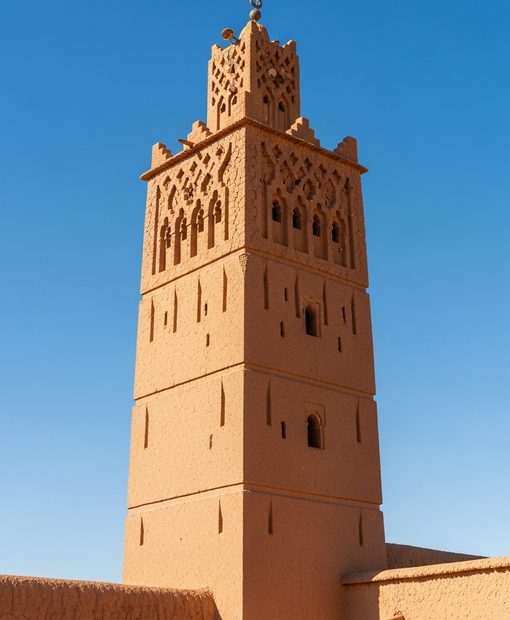
Niger travel runs on offline maps and cash backup — cellular coverage thins fast outside Niamey, and the 2023 political transition means many embassies advise against non-essential travel. If you are going, an eSIM gives you emergency comms on Airtel Niger or Orange Niger's 4G along the river corridor, plus a data line for mobile-money top-ups and consular-app check-ins without hunting for a SIM vendor in a city under curfew.
Balanced use — social, navigation & light streaming
How many travelers?
Landing in Niamey with an esima eSIM means you scan the QR code before departure, toggle the eSIM on as you taxi in, and you are online by the time you reach passport control — no SIM kiosk, no vendor negotiation, no photocopied passport forms.
The eSIM registers on Airtel Niger or Orange Niger within 60 seconds and hands off between them as you move; if Airtel is congested near the Grand Marché, the phone will try Orange's tower.
Installation takes one tap in Settings → Cellular; iOS and recent Android flagships (Pixel 5 onward, Galaxy S21 onward) handle it natively.
Compared to a physical local SIM, the eSIM saves you the hunt for an Airtel or Orange shop — useful in a city where many storefronts closed after the 2023 transition and opening hours are unpredictable.
The trade-off: a local SIM bought in Niamey can be topped up with scratch cards at any kiosk; the eSIM recharges only via the esima app or web portal, so you need a card on file or enough data to complete the purchase. Coverage-wise, both options use the same towers.
The eSIM just removes the first-day logistics and gives you two carriers instead of one. Keep cash (West African CFA francs, pegged to the euro at 655.957:1) for markets and mobile-money wallets like Airtel Money or Orange Money for urban payments; the eSIM handles the data side, not the currency exchange.
Three reasons travelers pick esima for Niger. First: pricing mirrors local prepaid rates, not the roaming surcharge your home carrier adds for West African towers — you pay what a Niamey resident pays.
Second: the eSIM switches between Airtel Niger and Orange Niger automatically, so you get whichever network is stronger in Tillabéri or Tahoua rather than being locked to one carrier's gaps. Third: hotspot is enabled by default — critical if you are traveling with a colleague or need to tether a laptop for consular paperwork. No throttling on the first 5 GB like some African carrier bundles impose.
Your QR code lands in your inbox minutes after purchase.
Pay one upfront price — no surprise charges abroad.
Your physical SIM stays active for calls and texts.
Connect to top-rated local networks at full speed.
Real humans ready to help, any time zone, any day.
Scan once and you're online — no app, no SIM swap.
Our Niger eSIMs run on Airtel Niger and Orange Niger (both have 4G in Niamey and along the Niger River corridor from Tillabéri to Tahoua). Moov Africa Niger and Niger Telecoms remain 3G-dominant outside the capital.
Agadez has 3G in town but the Air Massif and Aïr Mountains beyond have effectively no cellular — convoy travel on the Trans-Saharan route relies on satellite messengers, not phones. Zinder and Maradi have LTE in the city centers; expect 3G on the highway between them.
The northern desert and Ténéré regions are dead zones on every carrier. Download offline maps before leaving Niamey, and treat your eSIM as an emergency line rather than a streaming connection once you are outside the river corridor.
Network
Make sure your phone supports eSIM — most recent models do.
Pick a plan and pay securely. Your QR code arrives by email in minutes.
Scan the QR code, enable data roaming on arrival, and you're online.