I used esima during my trip to Switzerland and it worked flawlessly. I simply scanned the QR code upon landing in Zurich, and within minutes, I had 5G speed. Perfect for navigating and streaming my favorite shows!
DH
David H.
Chicago, US · May 2026
Perfect for my Swiss adventure!
I loved how easy it was to set up the eSIM from esima. I had it installed before I even left the airport in Zurich. Coverage was fantastic even in the mountains – I could share my travel photos instantly without any buffering. Highly recommend!
NK
Noah K.
Brisbane, AU · May 2026
Perfect for Swiss Adventures!
Using esima in Switzerland was a breeze! I scanned the QR code as soon as I landed in Zurich, and it connected instantly. Speeds were fantastic for streaming and navigation. Highly recommend for anyone traveling here!
JA
Jordan A.
Johannesburg, ZA · May 2026
Good but slight hiccup
The initial setup took a little longer than expected as I had to enter the manual code. Once it was up and running, the speed was great, especially in major cities like Lucerne. Overall, happy with the service!
WL
Wei L.
Singapore, SG · May 2026
Not the best coverage in mountains
I had hoped for better connectivity while hiking in the Alps. The eSIM was fine in cities like Bern but struggled in remote areas. Good for casual use but not if you need reliable service in the mountains.
AM
Ava M.
Melbourne, AU · May 2026
Great but a bit pricey
Using esima in Switzerland worked well overall. The installation was straightforward with the QR code, and I had solid 4G connectivity throughout major cities like Geneva and Lucerne. Just wish it was a bit cheaper. Still worth it for the convenience!
AK
Arjun K.
Bangalore, IN · May 2026
Perfect for My Swiss Adventure!
From Zurich to Interlaken, the esima eSIM was a lifesaver. I never had any connectivity issues and the app was user-friendly. Definitely made my trip much smoother!
DJ
Daniel J.
Sydney, AU · May 2026
Easy to install and use
Setting up the esima eSIM took less than a minute after scanning the QR code. I enjoyed fast internet throughout my stay in Zurich. It made navigating the city easy, and I could even stream my favorite shows.
eSIM vs roaming in Switzerland
Typical home-carrier roaming
$10–$20
per day
Esima eSIM
$2.57
Flat rate
Most international carriers charge per-day roaming fees for Switzerland, typically with a 500MB or 1GB daily allowance before throttling kicks in. After that cap you either pay for another day or drop to speeds too slow for real-time transit apps or map navigation.
Hotspot and tethering are often disabled or cost extra on roaming bundles, so you cannot share connectivity with a laptop or a travel partner. The eSIM gives you a flat data pool — 3GB, 5GB, 10GB depending on the plan — that does not reset daily and does not throttle after the first gigabyte.
You pay once, use it across the trip, and the cost stays predictable whether you are in Zurich for two days or touring Graubünden for two weeks. No surprise billing, no daily countdown, no speed cliffs.
Real trips, real travelers
Built for travelers like you
Different trip, same eSIM — here is how it lands for the most common visitors to Switzerland.
You are hiking the Eiger Trail or the Five Lakes Walk above Zermatt. The eSIM keeps you connected on Swisscom through the lower trails and mid-stations, so you can check weather updates on MeteoSwiss, message your group, and call mountain huts for overnight bookings. Signal thins above the tree line, but you stay online long enough to confirm the next day's route before heading into backcountry zones.
Alpine hiker
You are touring Switzerland on a Swiss Travel Pass, hopping between Zurich, Lucerne, Interlaken, and Zermatt. The eSIM powers SBB Mobile for real-time platform changes, ZVV and TPG apps for city transit, and Google Maps for walking directions between stations and hotels. You never queue for a SIM card, never hunt for Wi-Fi at a train station, and never miss a connection because the Gleis switched without an announcement.
Train-pass traveler
You are skiing in Zermatt, Verbier, or St. Moritz. The eSIM keeps you connected in the village and at mid-mountain restaurants, so you can coordinate lift meetups with your group, check avalanche bulletins on White Risk, and book dinner reservations via WhatsApp. Coverage thins on the highest lifts and off-piste zones, but you stay online long enough to share slope photos and confirm evening plans before heading back down.
Ski-resort visitor
Apps you'll need data for in Switzerland
The apps locals and travelers actually use — the ones that need real cell data, not just hotel Wi-Fi.
Zurich transit tickets and real-time tram/bus tracking
TPG
Geneva transit tickets and live vehicle tracking
Uber
Rideshare in Zurich, Geneva, Basel
MeteoSwiss
Weather forecasts and mountain alerts
TWINT
Mobile payments at shops, restaurants, parking meters
White Risk
Avalanche bulletins and backcountry safety
How much data you'll burn per day
WhatsApp
~50MB per day for chats and voice messages; ~150MB per day with regular voice calls; ~500MB per day with video calls.
Maps
~100–200MB per day for active navigation with live traffic; ~20–50MB per day if you cache offline maps for your regions.
Rideshare
~5–10MB per ride for Uber in Zurich or Geneva, including driver tracking and route updates.
When you're travelling matters
Winter (December–March) brings ski-season crowds to Zermatt, Verbier, St. Moritz, and the Jungfrau region.
Network congestion is rare even at peak times, but expect slightly slower speeds in resort villages on weekends and holidays when visitor numbers triple. Summer (June–September) sees hikers and train-pass travelers fill Alpine routes; the Gotthard and Lötschberg tunnels handle heavy traffic but maintain full LTE and 5G on Swisscom.
If you are visiting during Christmas or New Year, download offline maps and cache SBB tickets before traveling to smaller mountain resorts where LTE-only coverage can slow during peak hours.
FAQ
Frequently asked questions
Does the eSIM work in Zermatt and on the Matterhorn cable car?
Yes. Zermatt village has strong 5G on Swisscom and solid LTE on Sunrise and Salt Mobile. The Matterhorn Glacier Paradise cable car holds LTE at mid-stations but drops signal in the final ascent above 3,800 meters. Download offline maps and cache your tickets before heading to the summit or backcountry trails above Schwarzsee.
Does the eSIM work on the Jungfraujoch railway?
Yes, with caveats. The Jungfraujoch railway has LTE inside tunnels on Swisscom. Sunrise and Salt Mobile have dead zones above Kleine Scheidegg, so if the eSIM lands on those networks you will lose signal partway up. Cache your SBB Mobile ticket and offline maps before boarding at Interlaken or Grindelwald to avoid issues.
Does the eSIM work in the Gotthard and San Bernardino tunnels?
Yes. Swiss highway tunnels including Gotthard and San Bernardino have full LTE and 5G on Swisscom. Sunrise has brief drops in the longest tunnels, and Salt Mobile can lose signal for a minute or two in the deepest sections. If you are navigating or streaming, expect short interruptions on Sunrise and Salt but continuous coverage on Swisscom.
How much data do I need for a week in Switzerland using SBB Mobile and transit apps?
Plan for 3–5GB. SBB Mobile uses around 20–30MB per day for ticket purchases, real-time platform updates, and delay notifications. ZVV and TPG transit apps add another 10–15MB per day for live tram and bus tracking. Maps navigation for day trips consumes 100–200MB per day. If you are video-calling or uploading photos daily, add another 500MB–1GB. A 5GB plan covers most week-long trips comfortably.
Can I make WhatsApp calls in Switzerland on this eSIM?
Yes. WhatsApp voice and video calls work over the data connection. A 30-minute WhatsApp voice call uses roughly 15–20MB; a 30-minute video call uses 150–250MB. The eSIM does not include a Swiss phone number, so traditional voice calls and SMS go through your home SIM if you keep it active, or you can use WhatsApp, Telegram, or FaceTime Audio for all calls.
Does the SBB Mobile app work on this eSIM?
Yes. SBB Mobile requires live data for ticket purchases, real-time Gleis (platform) changes, and delay notifications. Offline screenshots are not accepted by conductors — they scan a live QR code that refreshes every minute. Keep the eSIM active when boarding trains, especially for connections where platform switches happen without loudspeaker announcements.
Does the eSIM work in Interlaken and Lucerne?
Yes. Interlaken and Lucerne both have strong 5G on Swisscom and Sunrise, with solid LTE on Salt Mobile. Coverage stays consistent in the town centers, around the lakes, and at the train stations. Signal thins slightly on hiking trails above Interlaken (Harder Kulm, Schynige Platte) and on Mount Pilatus above Lucerne, but the cable cars and cogwheel railways stay connected on Swisscom.
Swisscom vs Sunrise coverage in rural Graubünden — which is better?
Swisscom leads in rural Graubünden valleys like Engadin and Val Müstair, with consistent LTE and better tunnel coverage. Sunrise has LTE in the main valleys but thins on high mountain passes and in side valleys. Salt Mobile is spottier in remote areas. If you are driving the Alpine passes or staying in smaller villages, the eSIM will favor Swisscom automatically when it is the strongest network.
Does the ZVV app work on this eSIM in Zurich?
Yes. The ZVV app requires live data to activate mobile tickets and show real-time tram and bus tracking. Conductors scan a live QR code, so offline screenshots are not accepted. Keep the eSIM active when boarding trams, buses, and S-Bahn trains in Zurich and the surrounding canton.
eSIM vs airport SIM in Switzerland — what is the difference?
An airport SIM from Swisscom or Sunrise at Zurich or Geneva costs CHF 20–40 for 1–3GB and locks you to one carrier. The eSIM costs less, switches between all three networks automatically, and activates before you land — no kiosk queue, no passport scan, no deposit. Both give you local data rates; the eSIM adds flexibility and saves the airport errand.
Does the eSIM work in Bern and Basel?
Yes. Bern and Basel both have strong 5G coverage on Swisscom and Sunrise, with solid LTE on Salt Mobile. Coverage is consistent in the old towns, around the train stations, and in the university districts. Expect gigabit speeds near Bern Hauptbahnhof and Basel SBB, dropping to 200–300 Mbps in residential neighborhoods.
How much data does Google Maps use for a day of driving in Switzerland?
Active navigation with live traffic uses 100–200MB per day of driving. If you cache offline maps for the regions you are visiting (Zurich, Bern, Graubünden), usage drops to 20–50MB per day. Download offline maps over Wi-Fi before road trips through rural areas or high mountain passes where LTE coverage thins.
Does the TPG app work on this eSIM in Geneva?
Yes. The TPG app requires live data to activate mobile tickets and show real-time vehicle tracking for trams and buses. Conductors scan a live QR code, so offline screenshots are not accepted. Keep the eSIM active when using public transit in Geneva and the surrounding canton.
Does the eSIM work on the Gornergrat railway?
Yes. The Gornergrat railway from Zermatt stays connected on Swisscom inside tunnels and at all stations. Sunrise and Salt Mobile have brief dead zones near Riffelberg and Rotenboden. If you need continuous connectivity for photos, messaging, or live updates, the eSIM will favor Swisscom automatically when it is the strongest network.
Need broader coverage?
Going further than Switzerland? These plans include Switzerland plus everywhere in between.
Switzerland runs on apps — SBB Mobile for train tickets, ZVV and TPG for city transit, restaurant reservations that text confirmation codes, hotel check-ins that send room keys to your phone. A Switzerland eSIM connects you to Swisscom, Sunrise, or Salt Mobile the moment you land in Zurich or Geneva, so you skip the airport kiosk, the passport photocopy, and the roaming charges that hit triple digits after a week in the Alps.
Choose your plan
8 options
Balanced use — social, navigation & light streaming
Choose number of eSIMs
How many travelers?
1 eSIM
Total$7.93
Secure payment
30-day guarantee
Sunrise Switzerland5G
Features
Data-only plan, no contract
Works on 5G / 4G LTE networks
Choose when your plan activates
Connects to top local carriers
No physical SIM swap needed
24/7 customer support
Description
Landing in Zurich or Geneva with this eSIM means you scan a QR code before takeoff or during descent, toggle the new data line on in settings, and walk off the jet bridge with live connectivity — no SIM-card vending machine, no passport scan, no CHF deposit.
The eSIM behaves like a local Swiss prepaid plan: you get a data allocation that works across all three major networks without choosing one upfront, and the device picks the strongest tower at each location.
In Zurich that is often Swisscom or Sunrise; in rural Valais it might be Salt Mobile or Swisscom depending on the valley.
The difference between this and a physical Swisscom SIM from a Migros or Coop kiosk is portability — the eSIM does not lock you to one carrier, and you do not need to return anything or top up at a specific chain.
Installation takes two minutes: open your phone's cellular settings, tap Add eSIM, scan the QR code esima emails you, label the line 'Switzerland' or 'Travel', and set it as your default data line. Voice calls and SMS stay on your home SIM if you want; the eSIM handles data only unless you configure it otherwise.
The profile stays in your phone after the trip ends, so you can reactivate it on your next visit without re-scanning — just purchase a new data bundle and the existing profile wakes up.
Technical specs
Network
Sunrise Switzerland5G
Coverage
Switzerland
Delivery
Immediate, by email
Plan type
Data only
Phone number
No
SMS / calls
VoIP apps only
Activation
QR code or manual SM-DP+
Why travelers choose Esima
Three reasons travelers pick esima for Switzerland. First: pricing follows local prepaid rates, not the roaming markup your home network charges for a Swiss tower.
Second: the eSIM switches between Swisscom, Sunrise, and Salt Mobile automatically, so you get the strongest signal in Zermatt rather than one carrier's dead zone above Kleine Scheidegg.
Third: hotspot and tethering are enabled from the start — useful if you are traveling with a laptop, a tablet, or a partner whose device does not support eSIM. No throttling on the first chunk of data like some Swiss carrier bundles impose.
Instant delivery
Your QR code lands in your inbox minutes after purchase.
No roaming bills
Pay one upfront price — no surprise charges abroad.
Keep your number
Your physical SIM stays active for calls and texts.
Fast 4G/5G
Connect to top-rated local networks at full speed.
24/7 support
Real humans ready to help, any time zone, any day.
Easy install
Scan once and you're online — no app, no SIM swap.
Coverage in Switzerland
Our Switzerland eSIMs run on Swisscom, Sunrise, and Salt Mobile. Swisscom leads on Alpine coverage — the Gotthard and Lötschberg tunnels have full LTE, and mountain railways like Jungfraujoch and Gornergrat stay connected inside tunnels.
Sunrise and Salt Mobile have brief drops in the longest highway tunnels and dead zones above Kleine Scheidegg on the Jungfrau line. 5G is concentrated in Zurich, Geneva, Basel, and Lausanne; rural Graubünden valleys like Engadin and Val Müstair run LTE-only.
Zermatt's car-free village has strong 5G on Swisscom, and the Matterhorn Glacier Paradise cable car holds LTE at mid-stations. Expect signal to thin in the highest cable-car sections and on backcountry hiking trails above the tree line.
Network
Sunrise Switzerland5G
Good to know
SBB Mobile requires live data for real-time platform changes and delay notifications — Swiss trains are punctual, but Gleis switches happen without loudspeaker announcements.
Swisscom has the best coverage in Alpine tunnels (Gotthard, San Bernardino) and on mountain railways; Sunrise and Salt Mobile have brief drops in the longest tunnels.
Download offline maps before driving through rural Graubünden valleys — Engadin and Val Müstair have LTE-only, and signal thins on high mountain passes.
The Jungfraujoch railway has LTE inside tunnels on Swisscom; Sunrise and Salt have dead zones above Kleine Scheidegg, so cache your tickets and maps before boarding.
Geneva's TPG and Zurich's ZVV transit apps both require connectivity for mobile ticket activation — conductors scan live QR codes, not screenshots.
5G is concentrated in Zurich, Geneva, Basel, and Lausanne; expect LTE-only in smaller towns and mountain resorts outside the main urban corridors.
Coverage in Switzerland — top cities
Zurich
Zurich has wall-to-wall 5G on Swisscom and Sunrise in the Altstadt, Bahnhofstrasse, and around the lake. The ZVV transit app requires live data to activate mobile tickets and show real-time tram and bus tracking — offline screenshots are not accepted by conductors. Expect gigabit speeds near Hauptbahnhof and the airport, dropping to 200–300 Mbps in residential Wiedikon and Oerlikon.
Geneva
Geneva's city center and lakefront run 5G on all three carriers. The TPG transit app needs connectivity for ticket activation and live vehicle tracking — you cannot screenshot a ticket and use it offline. Coverage stays strong in the UN district and Carouge; it thins slightly in the Salève foothills across the French border, where French networks sometimes bleed in and cause brief handoff delays.
Zermatt
Zermatt village has strong 5G on Swisscom and solid LTE on Sunrise and Salt Mobile. The Matterhorn Glacier Paradise cable car holds LTE at mid-stations but drops signal in the final ascent above 3,800 meters. The Gornergrat railway stays connected on Swisscom inside tunnels; Sunrise has brief dead zones near Riffelberg. Download offline maps before heading to backcountry trails above Schwarzsee.
How to set up your eSIM
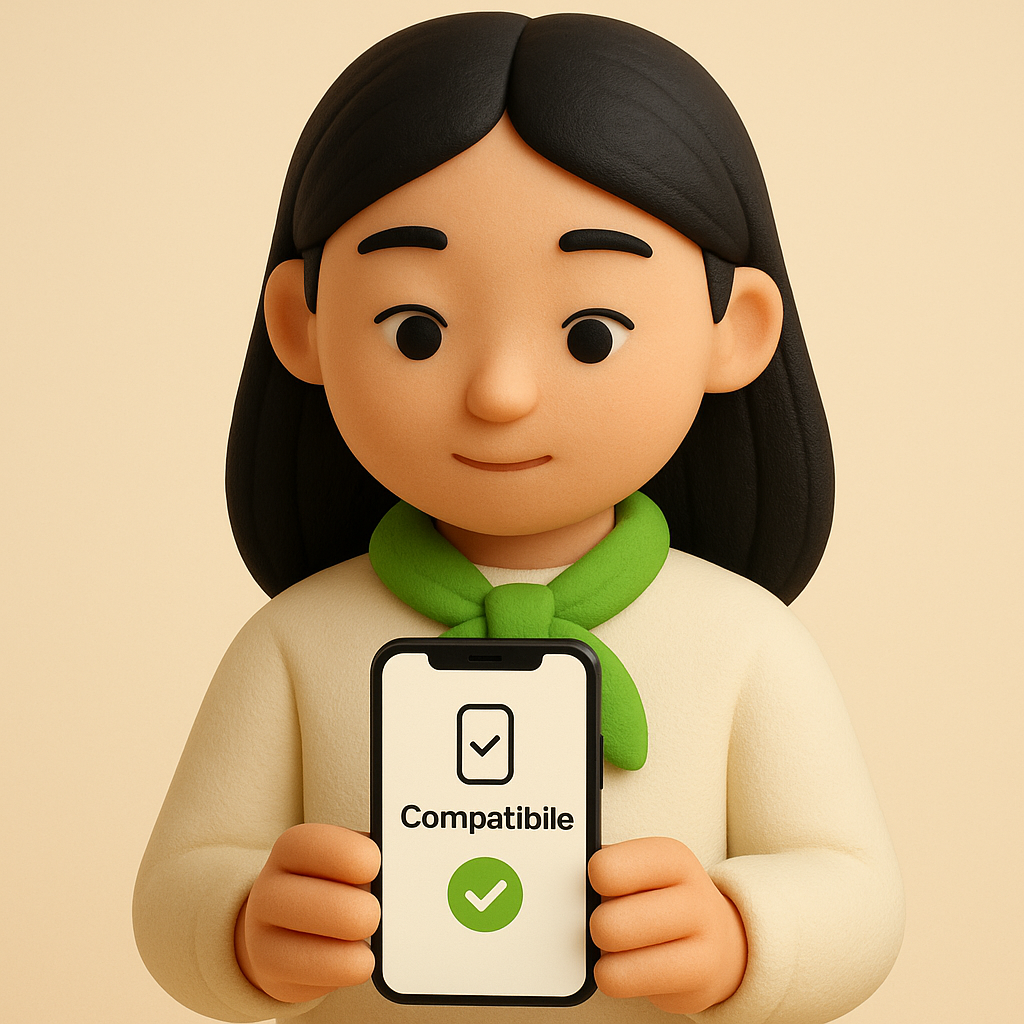
1
Check compatibility
Make sure your phone supports eSIM — most recent models do.
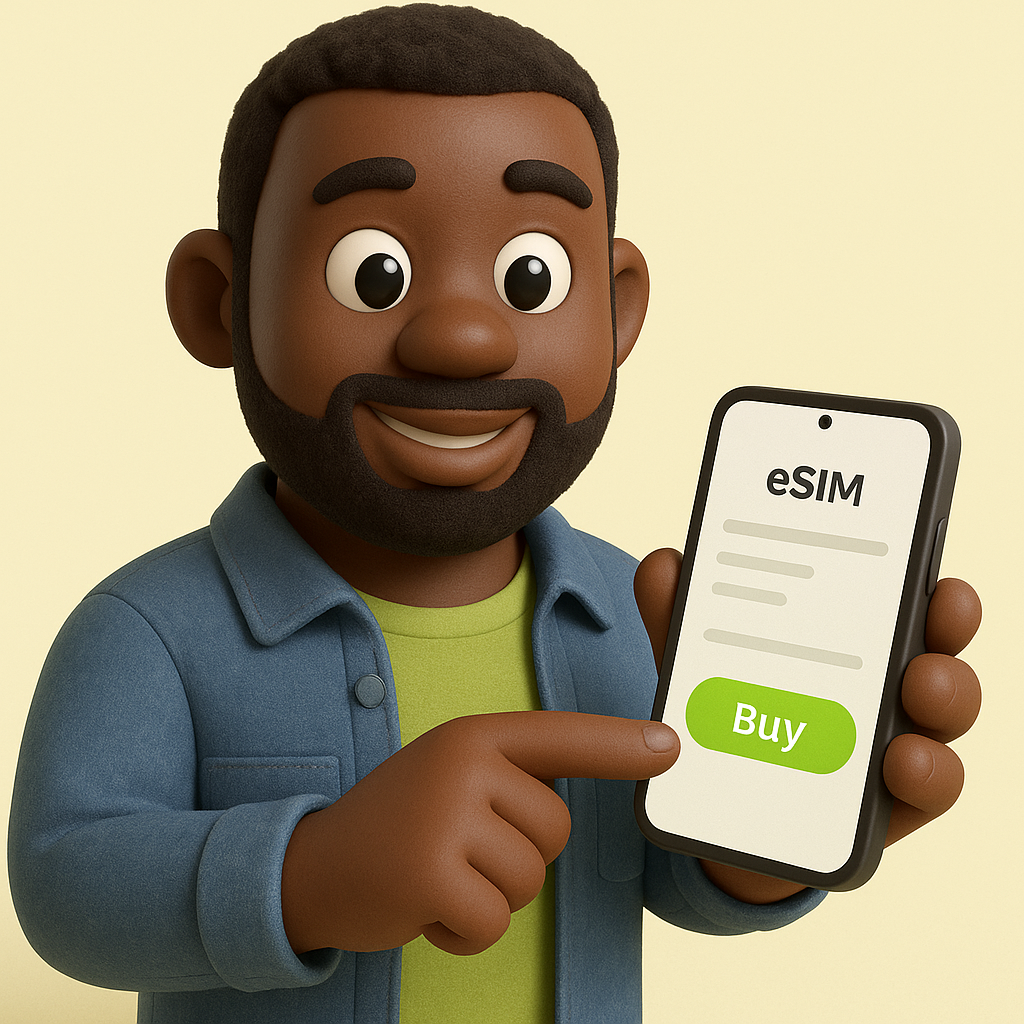
2
Buy your eSIM
Pick a plan and pay securely. Your QR code arrives by email in minutes.
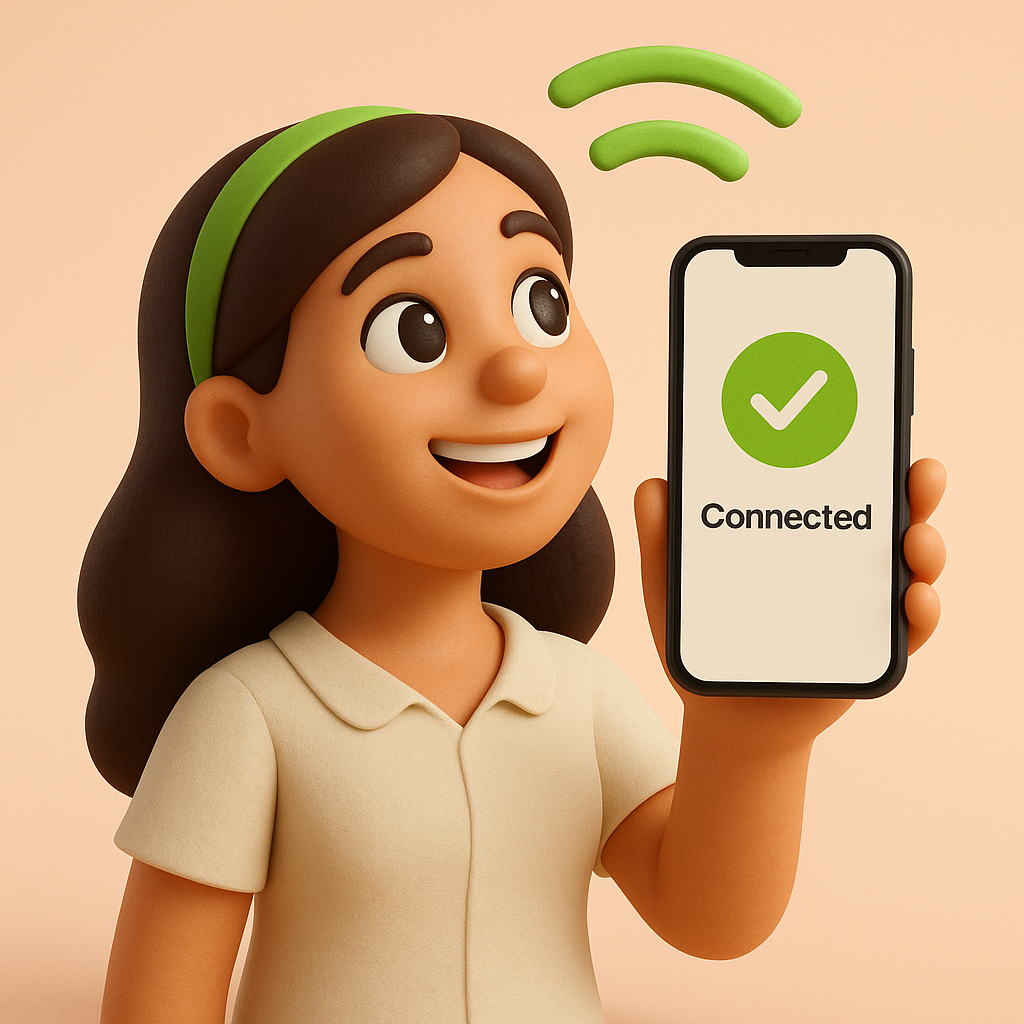
3
Scan & connect
Scan the QR code, enable data roaming on arrival, and you're online.
 WhatsApp +44 7367 063273