Landing in Croatia with an eSIM means you walk off the plane in Zagreb or Split with connectivity already live — no queue at the Tisak kiosk, no passport photocopy, no waiting for a clerk to activate a physical SIM.
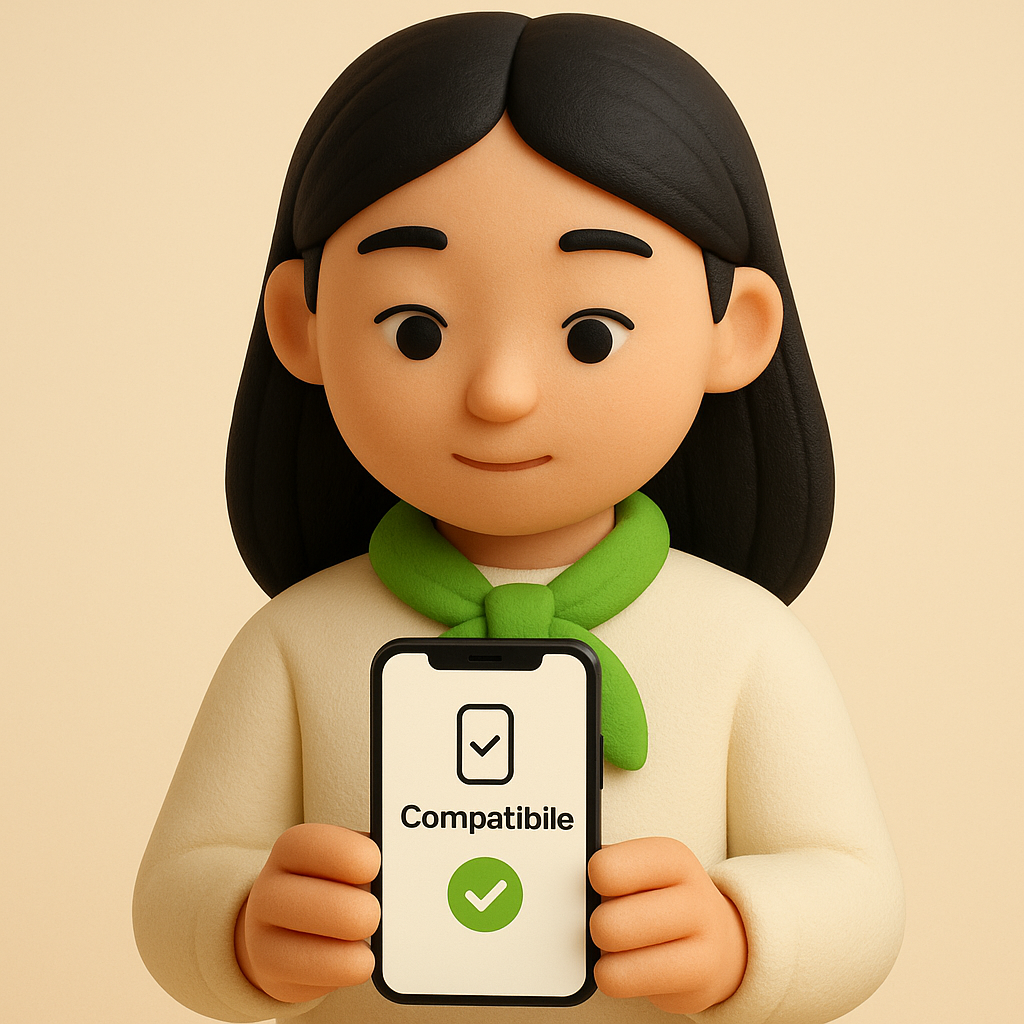
You install the eSIM before you leave home: scan the QR code esima emails you, toggle it on in your phone's settings, and it sits dormant until you touch down.
The moment your phone sees a Croatian tower, the eSIM registers on whichever network — HT, A1, or Telemach — offers the strongest signal at that location. In Dubrovnik's old town, that is usually HT with full 5G; on the ferry to Korčula, it might hand off to A1.
The handoff is automatic. You do not pick a carrier or swap profiles.
Hotspot works from the start, so you can share data with a travel partner or connect a laptop on the bus to Plitvice.
The eSIM behaves like a local Croatian prepaid SIM in every functional way — same towers, same speeds, same coverage map — but you never handle a physical chip, never return it, and never worry about losing a tiny piece of plastic in a hostel bunk.
If you run low on data mid-trip, you top up through the esima app without visiting a store. The difference between this and a physical SIM from a Croatian carrier is installation speed and the ability to keep your home number active in a dual-SIM setup; the network experience is identical.
 WhatsApp +44 7367 063273