I loved using esima while exploring Vietnam! The setup was super quick, and I stayed connected while discovering hidden gems in Hanoi. Being able to share my adventures instantly made the trip even more enjoyable. Would definitely use it again!
IB
Isla B.
Auckland, NZ · May 2026
Great data but pricey
I loved using the esima eSIM during my stay in Vietnam. It worked well for my needs, like sharing photos with friends. I just wish I'd bought the bigger data plan, as I ran out a bit earlier than expected.
ET
Emma T.
Edinburgh, GB · May 2026
A Must-Have for Traveling
Using esima's eSIM was fantastic while touring Vietnam. If you're planning to visit, definitely get this! I was able to keep in touch with friends and use social media without any hassle.
WL
Wei L.
Singapore, SG · Apr 2026
Good but room for more data
I had a smooth experience with my eSIM in Vietnam. It worked right out of the gate, which was amazing. I just wish I had chosen a larger data plan — I ran out a bit before my trip ended!
CF
Charlotte F.
Montreal, CA · Apr 2026
Great experience overall
The eSIM worked well during my time in Vietnam, which made navigating the streets of Ho Chi Minh City a breeze. I would love to see more options for different data sizes, but it served me well!
CR
Camila R.
Mexico City, MX · Apr 2026
Seamless in Ho Chi Minh
I landed in Ho Chi Minh City and activated the eSIM by just scanning the QR code. It was super easy! I used Google Maps to explore the city, and it worked perfectly throughout my trip.
SM
Sarah M.
London, GB · Apr 2026
Reliable connection in Vietnam
I was overall pleased with my esima experience. I wish I’d bought the bigger data plan for all the photos I backed up! Support replied pretty quickly, but I felt anxious waiting for a couple of hours.
SW
Sophie W.
Toronto, CA · Mar 2026
Highly recommend for travelers
Esima made my visit to Vietnam so much easier! I could access everything from maps to translations. The data lasted the whole trip, and setting it up was quick.
eSIM vs roaming in Vietnam
Typical home-carrier roaming
£10–£18
per day
Esima eSIM
£1.49
Flat rate
Most international carriers charge per-day roaming rates for Vietnam that start around the lower end of the range for the first gigabyte, then throttle to 2G speeds or charge overage fees. Hotspot and tethering are often blocked or cost extra.
The first day feels cheap, but a week-long trip across Hanoi, Da Nang, and the Mekong Delta pushes the total cost higher than a flat-rate eSIM.
Roaming bundles from major networks often cap speeds after the first two gigabytes, which matters if you are uploading photos from Ha Long Bay or streaming music on the Reunification Express.
An eSIM gives you the same LTE speeds a Vietnamese prepaid customer gets, with no throttling and no surprise charges when you cross from one region to another.
Your home carrier's roaming coverage depends on which Vietnamese network they partner with — usually one of the three, not all — so you lose the automatic handoff that an eSIM provides.
Real trips, real travelers
Built for travelers like you
Different trip, same eSIM — here is how it lands for the most common visitors to Vietnam.
You are bouncing between Hanoi, Hue, Hoi An, Da Nang, Nha Trang, and Ho Chi Minh City over two weeks. The eSIM keeps Grab working in every city for motorbike taxis and car rides, Google Maps running for hostel navigation, and WhatsApp open for booking last-minute bus tickets. No need to buy a new SIM at each stop or hunt for Wi-Fi to check your next hostel address.
Backpacker on the Hanoi-HCMC loop
You are on a two-day Ha Long Bay cruise with no onboard Wi-Fi. The eSIM connects to Viettel's 4G across the bay, so you upload photos to Instagram from the sundeck, message your family, and check the weather for the next day's kayaking. The cruise boat's Wi-Fi costs extra and is slower than the cell network.
Ha Long Bay cruise passenger
You are spending a month in Da Nang, working from cafes near My Khe Beach and the Han River. The eSIM hotspot shares data with your laptop for video calls and file uploads, and Grab Bike gets you to coworking spaces faster than a car in beach-road traffic. LTE is reliable across the city, and you are not locked into one cafe's Wi-Fi network.
Remote worker in Da Nang
Apps you'll need data for in Vietnam
The apps locals and travelers actually use — the ones that need real cell data, not just hotel Wi-Fi.
Grab
Rideshare, motorbike taxis (Grab Bike), and food delivery in Hanoi, HCMC, and Da Nang
Google Maps
Navigation and public transit directions in Vietnamese cities
Zalo
Vietnam's most popular messaging app for local contacts and hotel bookings
Momo
Mobile wallet for cashless payments at restaurants, shops, and street vendors
E-commerce app for last-minute travel gear and local snacks
How much data you'll burn per day
WhatsApp
Around 50MB per day for text and voice messages, 150MB per day if you are making frequent voice calls or sending photos.
Maps
Google Maps uses 100-150MB per day for live navigation in Hanoi, HCMC, and Da Nang, including rerouting and traffic updates. Download offline maps for Sapa and Phu Quoc to cut usage.
Rideshare
Grab uses 5-10MB per ride for driver matching, route tracking, and payment. Budget 50-80MB per day if you are taking 4-6 rides in Hanoi or HCMC.
When you're travelling matters
Vietnam's monsoon season runs June through September in the south and October through December in the north, bringing heavy rain and occasional typhoons. Cell towers in coastal areas like Da Nang, Nha Trang, and Phu Quoc are built to handle storms, but power outages can knock out coverage for a few hours during severe weather.
Viettel's network recovers fastest after storms. Tet (Lunar New Year, late January or early February) brings massive domestic travel — expect congested networks in Hanoi and HCMC as millions of people return to their hometowns, and slower data speeds in airports and train stations during the holiday week.
FAQ
Frequently asked questions
Does the eSIM work in Ha Long Bay?
Yes. Viettel maintains reliable 4G coverage across most of Ha Long Bay, including the main cruise routes and popular islands. Vinaphone and MobiFone also cover the bay, but Viettel reaches further into the outer islands. Cruise boats have no onboard Wi-Fi, so the eSIM is your only option for uploading photos or messaging while on the water.
Does the eSIM work in Sapa and the trekking villages?
Sapa town and the Fansipan cable car have LTE from Viettel. Trekking routes to remote villages like Ta Van, Lao Chai, and Cat Cat drop to 3G or no service once you leave the main roads. Download offline maps and let your hotel or guide know your route before you head out.
Does the eSIM work on the Reunification Express train from Hanoi to Ho Chi Minh City?
Viettel maintains LTE along most of the coastal route, but tunnels north of Da Nang drop to 3G, and the train has no onboard Wi-Fi. Expect intermittent coverage in the Central Highlands between Nha Trang and Da Lat. The eSIM works fine for messaging and light browsing, but do not rely on it for video calls during the journey.
Does the eSIM work in Phu Quoc?
Yes. Viettel and Vinaphone provide LTE in the main tourist zones — Duong Dong town, Long Beach, and the night market. The northern national park and remote beaches thin to 3G. If you are renting a motorbike to explore the island, download offline maps before you leave the main town.
How much data do I need for a week in Vietnam using Grab and Google Maps?
Budget around 3-5GB for a week if you are using Grab daily in Hanoi and Ho Chi Minh City, running Google Maps for navigation, and messaging on WhatsApp. Add another 2GB if you are uploading photos from Ha Long Bay or streaming music on long bus rides. Grab uses minimal data per ride, but the app needs to stay connected for driver matching.
Can I make WhatsApp calls in Vietnam on this eSIM?
Yes. WhatsApp voice and video calls work over LTE in all major cities and tourist areas. Call quality is reliable in Hanoi, Ho Chi Minh City, Da Nang, and Hoi An. Expect occasional drops in rural areas or on mountain passes where coverage thins to 3G.
Does Grab work on this eSIM?
Yes. Grab is the dominant rideshare and motorbike taxi app in Vietnam, and it needs live data for driver matching, route tracking, and cashless payment. The eSIM connects you to Viettel, Vinaphone, or MobiFone, so Grab works immediately after you land. Grab Bike (motorbike taxis) is faster than cars in Hanoi and HCMC traffic.
Viettel vs Vinaphone coverage in Da Nang?
Both carriers provide full LTE in Da Nang city, the beaches, and Hoi An. Viettel holds 4G better on the Hai Van Pass between Da Nang and Hue, where Vinaphone can thin to 3G. Inside the city, you will not notice a difference — the eSIM hands off to whichever carrier is strongest at your location.
Viettel vs MobiFone coverage in the Mekong Delta?
Viettel has the most extensive 4G coverage in the Mekong Delta, including the floating markets and rural villages. MobiFone covers the main towns and highways but thins faster in remote areas. The eSIM will prefer Viettel in the delta if it is available, but you will not need to manually switch carriers.
Does Zalo work on this eSIM?
Yes. Zalo is Vietnam's most popular messaging app, and it works over LTE on the eSIM. You will need a Vietnamese phone number to register a new Zalo account, which the eSIM does not provide — but if you already have a Zalo account, messaging, voice calls, and video calls all work normally over data.
eSIM vs airport SIM card in Vietnam — which is better?
An eSIM installs in 30 seconds before you land, so you are online the moment you clear immigration. Airport SIM kiosks at Tan Son Nhat and Noi Bai often run out of stock during peak arrivals, and you will need your passport for registration. Pricing is similar — both cost less than international roaming — but the eSIM saves you the queue and the risk of a sold-out kiosk.
Does the eSIM work in Hoi An's Ancient Town?
Yes. Hoi An's Ancient Town, the Japanese Covered Bridge, and the riverside lantern market all have full LTE from Viettel, Vinaphone, and MobiFone. Coverage is reliable for Grab rides, Google Maps, and photo uploads. The beaches at An Bang and Cua Dai, a few kilometers from the old town, also have full LTE.
Can I use the eSIM hotspot to share data with my travel partner?
Yes. Hotspot and tethering are enabled by default on esima eSIMs for Vietnam. You can share the connection with a laptop, tablet, or another phone. No extra charge, no throttling on the first 5GB like some Vietnamese carrier prepaid plans.
Does the eSIM work in Ninh Binh and Tam Coc?
Yes. Ninh Binh town and the Tam Coc boat tours have LTE from Viettel and Vinaphone. The limestone karst valleys and rice paddies have reliable 4G coverage along the main tourist routes. Remote hiking trails in Cuc Phuong National Park can thin to 3G.
How much data does uploading photos from Ha Long Bay use?
A high-resolution photo from a modern phone is around 3-5MB. Uploading 20 photos to Instagram or Google Photos will use around 60-100MB. If you are uploading a full day's photos from a Ha Long Bay cruise, budget 200-300MB. Viettel maintains 4G across most of the bay, so uploads are fast.
Need broader coverage?
Going further than Vietnam? These plans include Vietnam plus everywhere in between.
Vietnam runs on Grab — motorbike taxis, car rides, food delivery all live in one app, and it needs live data for driver matching and cashless payment. A Vietnam travel eSIM connects you to Viettel, Vinaphone, or MobiFone the moment you land at Tan Son Nhat or Noi Bai, so you skip the SIM kiosk queues that run out of stock during peak arrivals and book your Grab Bike before you hit the curb.
Choose your plan
8 options
Balanced use — social, navigation & light streaming
Choose number of eSIMs
How many travelers?
1 eSIM
Total£5.60
Secure payment
30-day guarantee
Vinaphone Vietnam5G
Features
Data-only plan, no contract
Works on 5G / 4G LTE networks
Choose when your plan activates
Connects to top local carriers
No physical SIM swap needed
24/7 customer support
Description
Landing at Tan Son Nhat in Ho Chi Minh City or Noi Bai in Hanoi, you scan the QR code esima sent before departure, tap Install, and the eSIM registers on Viettel, Vinaphone, or MobiFone within 30 seconds. No deposit, no passport photocopy, no waiting for the SIM kiosk to restock.
Tan Son Nhat has free Wi-Fi, but it is congested during peak arrivals — an eSIM lets you book Grab immediately and avoid the chaos of negotiating cash fares with xe ôm motorbike drivers outside.
The eSIM behaves like a local Vietnamese SIM across the country's major regions: full LTE in the cities, reliable 4G in Ha Long Bay and the Mekong Delta on Viettel, and coverage that thins predictably in mountain passes and remote trekking routes.
The difference from a physical local SIM is installation speed and the ability to keep your home number active for two-factor SMS while the eSIM handles data.
Vinaphone and MobiFone cover the tourist zones well, but Viettel reaches further into rural areas — the eSIM will hand off to whichever carrier is strongest at your location.
If you are taking the Reunification Express train from Hanoi to Ho Chi Minh City, expect LTE along the coast but 3G in tunnels north of Da Nang, and no onboard Wi-Fi on any carriage.
Technical specs
Network
Vinaphone Vietnam5G
Coverage
Vietnam
Delivery
Immediate, by email
Plan type
Data only
Phone number
No
SMS / calls
VoIP apps only
Activation
QR code or manual SM-DP+
Why travelers choose Esima
Three reasons travelers pick esima for Vietnam. First: pricing mirrors local prepaid rates, not the roaming markup your home carrier charges for Southeast Asian towers.
Second: the eSIM hands off between Viettel, Vinaphone, and MobiFone automatically, so you get the strongest signal whether you are in Hanoi's Old Quarter or the Mekong Delta. Third: hotspot and tethering are enabled by default — useful if you are traveling with a laptop or a partner whose device does not support eSIM. No throttling on the first 5GB like some Vietnamese carrier prepaid deals.
Instant delivery
Your QR code lands in your inbox minutes after purchase.
No roaming bills
Pay one upfront price — no surprise charges abroad.
Keep your number
Your physical SIM stays active for calls and texts.
Fast 4G/5G
Connect to top-rated local networks at full speed.
24/7 support
Real humans ready to help, any time zone, any day.
Easy install
Scan once and you're online — no app, no SIM swap.
Coverage in Vietnam
Our Vietnam eSIMs run on Viettel, Vinaphone, and MobiFone. Viettel has the most extensive 4G coverage, including reliable service in Ha Long Bay, Sapa, and the Mekong Delta.
All three carriers deliver full LTE in Ho Chi Minh City, Hanoi, Da Nang, and Hoi An's Ancient Town. Viettel maintains LTE along most of the Reunification Express coastal route from Hanoi to HCMC, but tunnels north of Da Nang drop to 3G, and the train has no onboard Wi-Fi.
The Hai Van Pass can thin to 3G on MobiFone. Sapa's terraced rice fields and the Fansipan cable car have LTE from Viettel, but trekking routes to remote villages like Ta Van and Lao Chai drop to 3G or no service.
Phu Quoc Island has LTE from Viettel and Vinaphone in Duong Dong and Long Beach, but the northern national park thins to 3G.
Network
Vinaphone Vietnam5G
Good to know
Download offline maps for Sapa trekking routes before you leave town — villages like Ta Van and Lao Chai drop to 3G or no service.
The Reunification Express has no onboard Wi-Fi; Viettel maintains LTE along the coast, but tunnels north of Da Nang drop to 3G.
Grab Bike (motorbike taxis) is faster than cars in Hanoi and HCMC traffic, but the app needs live data for driver matching and cashless payment.
Tan Son Nhat Airport SIM kiosks often run out of stock during peak arrivals — install your eSIM before you land.
Phu Quoc's northern national park thins to 3G; stay on the main tourist zones (Duong Dong, Long Beach) for reliable LTE.
Ha Long Bay cruise boats have no onboard Wi-Fi, but Viettel maintains 4G coverage across most of the bay for photo uploads and messaging.
Coverage in Vietnam — top cities
Ho Chi Minh City
District 1, Pham Ngu Lao, and Ben Thanh Market are saturated with LTE from all three carriers. Tan Son Nhat Airport has free Wi-Fi, but it is slow and congested — the eSIM works immediately for Grab booking. Expect dense crowds to thin speeds in the backpacker district during evening hours, but coverage never drops below 4G in the city center.
Hanoi
The Old Quarter, Hoan Kiem Lake, and the French Quarter have full LTE from Viettel, Vinaphone, and MobiFone. Noi Bai Airport has reliable coverage in both terminals. Grab Bike is essential for navigating the narrow streets, and the app needs live data for driver matching — an eSIM avoids the SIM kiosk lines that form during morning arrivals.
Da Nang
Da Nang's beaches, Dragon Bridge, and the Han River waterfront have full LTE from all carriers. The Hai Van Pass between Da Nang and Hue can thin to 3G on MobiFone, but Viettel holds 4G through most of the climb. Hoi An's Ancient Town, 30 minutes south, has reliable LTE, and Grab operates in both cities for rides and motorbike taxis.
How to set up your eSIM
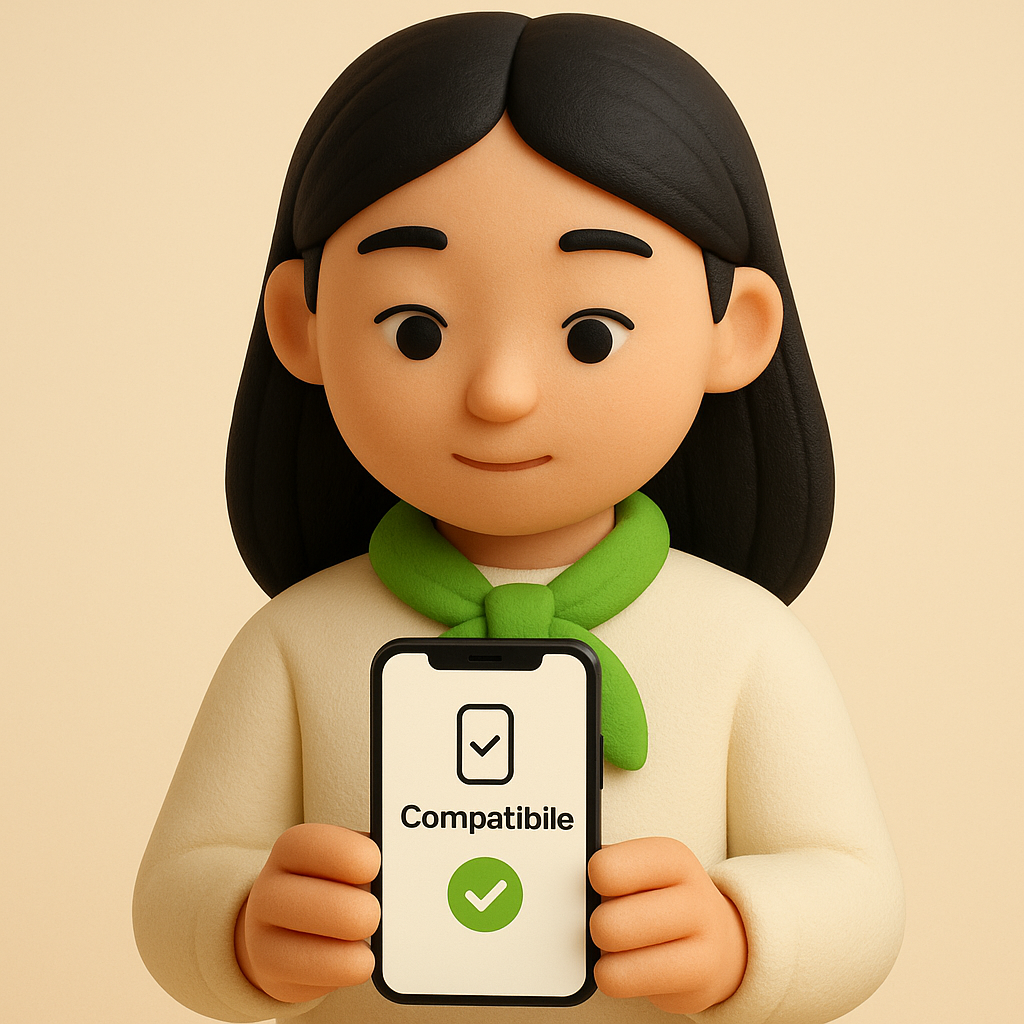
1
Check compatibility
Make sure your phone supports eSIM — most recent models do.
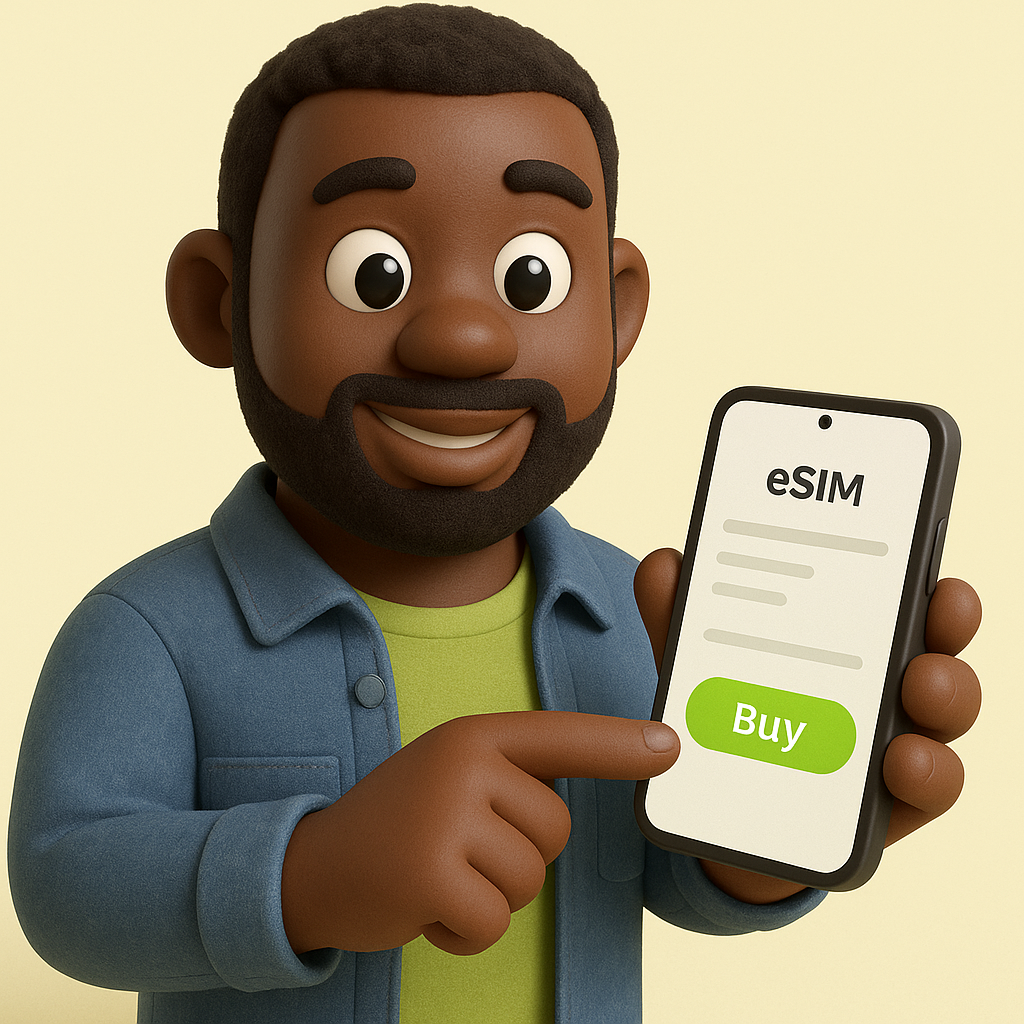
2
Buy your eSIM
Pick a plan and pay securely. Your QR code arrives by email in minutes.
3
Scan & connect
Scan the QR code, enable data roaming on arrival, and you're online.
 WhatsApp +44 7367 063273