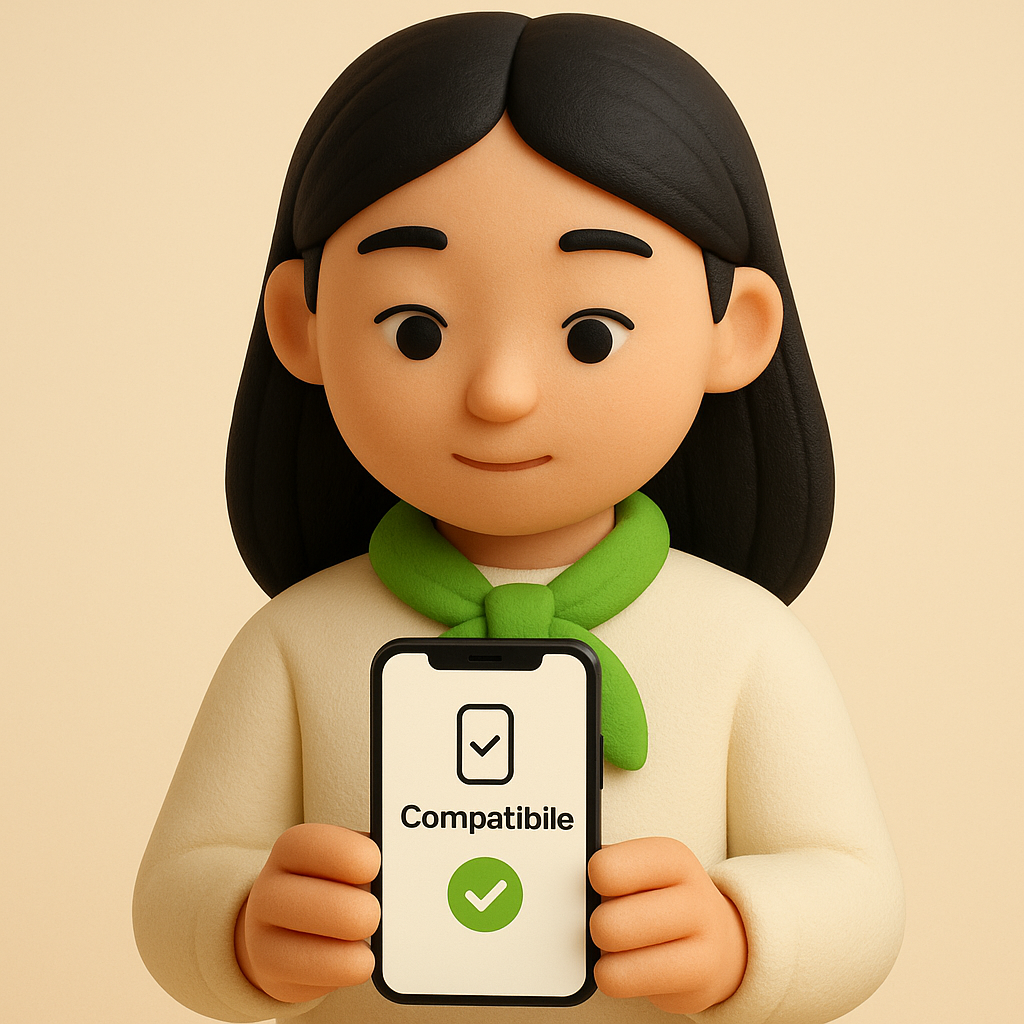
You land at Copenhagen Airport, scan the eSIM QR code in the arrivals hall, and the profile installs in under a minute. The device registers on TDC NET or Telenor within seconds — no counter visit, no passport photocopy, no Danish phone number to remember.
Walk to the metro platform, open DOT Mobilbilletter, buy a ticket, and the QR validator at the gate reads it instantly because you have live data. MobilePay dominates small transactions here — coffee shops, food trucks, even some public restrooms — so keeping connectivity means you pay like a local without fumbling for coins.
The eSIM behaves identically whether you are in central Copenhagen, crossing the Øresund Bridge to Malmö, or driving the E45 through Jutland. In cities, you will pull 5G speeds on TDC NET; in smaller towns and along highways, LTE is the norm.
Bornholm's interior forests and Thy National Park have 3G-only patches, but coastal roads and ferry terminals stay connected. The difference between this and a physical Danish SIM is form factor and commitment — the eSIM activates the day you choose, a physical SIM often requires a multi-week plan you may not finish.
Both give you a local IP address, both work with every Danish app, but the eSIM does not occupy your physical SIM slot if you want to keep your home number active for two-factor SMS.
If your device supports dual-SIM, you can receive calls on your original line while data routes through the eSIM, which matters for banking apps that still send one-time codes to your home number.
 WhatsApp +44 7367 063273