Used esima while island hopping in the Galapagos. The connection was surprisingly reliable for such a remote area; I managed to upload photos without a hitch! Customer service was also helpful when I had a quick question.
AV
Anna V.
Amsterdam, NL · Jun 2026
Streamed Netflix without a hitch!
Using esima in Ecuador was a breeze. I could easily stream Netflix while lounging in the Amazon. The setup took just a minute with the QR code. Would definitely use it again!
SM
Sarah M.
London, GB · May 2026
Seamless in Quito!
I installed the eSIM right at the airport in Quito using the QR code. The speeds were fantastic, and I could stream my shows without any buffering. Highly recommend for anyone traveling to Ecuador!
EO
Ethan O.
Dublin, IE · May 2026
Saved my Galapagos adventure
Connecting to the eSIM before my Galapagos trip was one of the best decisions. I had no issues at all. The data was reliable, and I was able to share my experiences instantly on social media. Highly recommend if you're visiting!
DJ
Daniel J.
Sydney, AU · May 2026
Seamless setup in Quito
I scanned the QR code upon landing in Quito, and I was connected within seconds! Speeds were excellent throughout my trip, even in the Galapagos. Highly recommend esima for anyone traveling to Ecuador!
CF
Charlotte F.
Montreal, CA · May 2026
A lifesaver for travel
esima was a game changer for my trip to the Galapagos Islands! I had internet access everywhere, which made sharing my travel experiences so much easier. The installation was quick, and I was streaming Netflix within minutes of arrival. Truly impressed!
LO
Lucas O.
São Paulo, BR · May 2026
Reliable and Fast Connection
From the moment I arrived at the airport in Guayaquil, the eSIM had me connected. I was able to share photos and videos instantly at 5G speeds, which made my trip even better!
JL
Jessica L.
New York, US · Apr 2026
Great service but a small hiccup
I had to reach out to customer service for installation assistance, but they responded quickly and were very helpful. Once I got it working, streaming Netflix in the Andes was a dream!
eSIM vs roaming in Ecuador
Typical home-carrier roaming
£8–£18
per day
Esima eSIM
£9.44
Flat rate
Most international carriers charge per-day roaming fees for Ecuador, and the first gigabyte or two often comes throttled to 3G speeds until you hit the higher-priced tier. Hotspot is typically blocked or costs extra, which matters if you are traveling with a partner or need to tether a laptop.
Roaming bundles from major networks also lock you to a single carrier — usually Claro or Movistar — so if that carrier has a weak signal in your neighborhood in Cuenca or along the coast, you are stuck with it.
An eSIM gives you a flat data allowance at local prepaid rates, switches between carriers automatically to find the strongest tower, and enables hotspot from day one. The cost stays predictable: you pay once for the bundle, and there is no surprise bill when you land home.
If you are only in Quito for two days and your home carrier offers a short roaming pass, the math might favor roaming. If you are spending a week between the highlands, the coast, and the Galápagos, the eSIM wins on both cost and flexibility.
Real trips, real travelers
Built for travelers like you
Different trip, same eSIM — here is how it lands for the most common visitors to Ecuador.
You have 4G in Puerto Ayora and Puerto Baquerizo Moreno to confirm your next-day tour, check the weather, and upload photos. The moment you board the boat to an uninhabited island or a dive site, you are offline until you return to town. Download your maps and boarding passes before every trip.
Galápagos island-hopper
You work mornings from a co-working space in La Floresta, then explore the Old Town in the afternoon. The eSIM gives you reliable 4G across the city, full signal on the Metro and Metrobús, and hotspot for your laptop when the café Wi-Fi is slow. You stay connected without hunting for a SIM card shop.
Quito digital nomad
You take the overnight bus from Quito to Montañita, book last-minute surf lessons over WhatsApp, and navigate to your hostel with live maps. The eSIM works continuously along the coastal highway from Guayaquil to Puerto López, but you lose signal the moment you board a whale-watching boat or head inland to the cloud forest.
Coastal backpacker
Apps you'll need data for in Ecuador
The apps locals and travelers actually use — the ones that need real cell data, not just hotel Wi-Fi.
Uber
Rideshare in Quito and Guayaquil
Cabify
Alternative rideshare app, common in Quito
InDrive
Negotiate-fare taxi app, works in smaller cities
WhatsApp
Primary communication for hostels, tours, and locals
Google Maps
Navigation and public transit directions
Rappi
Food and grocery delivery in Quito and Guayaquil
How much data you'll burn per day
WhatsApp
~40MB per day for text and voice messages, ~120MB per day if you make frequent voice calls to hostels and tour operators.
Maps
~80MB per day for live navigation in Quito or Guayaquil, ~150MB per day if you are navigating long bus routes or multiple cities.
Rideshare
~5MB per ride for Uber or Cabify. Budget ~20MB per day if you are taking three or four rides around Quito or Guayaquil.
FAQ
Frequently asked questions
Does the eSIM work in the Galápagos Islands?
Yes, but only in Puerto Ayora on Santa Cruz and Puerto Baquerizo Moreno on San Cristóbal, where CNT Mobile provides 4G. Every other island and all boat routes between islands are completely offline. Download maps, boarding passes, and any tour confirmations before you leave the two main towns.
Will I have signal on the Quilotoa Loop?
Coverage is patchy. You will have LTE in Latacunga and Zumbahua, but the smaller villages and the trail around Quilotoa crater lake lose signal frequently. Download offline maps and your hostel addresses before you start the loop.
Does the eSIM work on Quito's Metro?
Yes. Metro Line 1 and the Metrobús BRT have full 4G underground on both Claro and Movistar. You can message, check maps, and stream while you ride between El Labrador and Quitumbe.
How much data do I need for a week in Ecuador?
Three to five gigabytes covers most travelers. WhatsApp and maps are the heaviest daily users. If you are uploading Galápagos photos to Instagram or streaming music on long bus rides, budget closer to seven or eight gigabytes for the week.
Can I make WhatsApp calls on this eSIM?
Yes. WhatsApp voice and video calls work normally on the eSIM's data connection. Call quality depends on your signal strength — it will be excellent in Quito and Guayaquil, but expect drops in rural areas and dead zones like Cajas National Park.
Does the eSIM work in Baños de Agua Santa?
Yes, Baños town has reliable 4G from Claro and Movistar. Signal disappears quickly once you leave town on the Ruta de las Cascadas bike route or the trail to Pailón del Diablo waterfall. Download your route before you ride or hike.
Claro vs Movistar coverage in Cuenca — which is better?
Both carriers cover Cuenca's historic center and Barranco equally well. Claro has a slight edge in Cajas National Park west of the city, where Movistar's coverage thins faster. If you are planning a day trip to Cajas, Claro is the safer bet.
Does Uber work on this eSIM in Quito?
Yes. Uber, Cabify, and InDrive all work normally on the eSIM's data connection. Uber is most common in Quito and Guayaquil; smaller cities rely more on taxis, which you can hail with InDrive or book through your hotel.
Will I have signal on the bus from Quito to Guayaquil?
Yes, the main highway holds LTE continuously on Claro and Movistar. You will have signal through Latacunga, Ambato, and Riobamba. Coverage thins briefly in the mountain passes, but you will not lose connection for more than a few minutes at a time.
Does the eSIM work in Otavalo market?
Yes. Otavalo has strong 4G from Claro and Movistar. The Saturday market, Plaza de Ponchos, and the surrounding streets all have full coverage. The Panamericana north from Quito to Otavalo and Ibarra holds signal continuously on Claro.
Can I use this eSIM in Mindo cloud forest?
Mindo town has 4G, but signal drops quickly once you enter the forest reserves and hiking trails. The zipline canopy tours, waterfall hikes, and bird-watching sites are mostly offline. Download your maps and lodge directions before you leave Quito.
eSIM vs buying a SIM at Quito airport — what is the difference?
Coverage is identical — both use the same Claro, Movistar, or CNT towers. The eSIM saves you the hour-long line at the airport kiosk and the need to swap out your home SIM, which means you keep your primary number active for two-factor authentication and family calls. If you prefer paying cash and do not mind the wait, a physical SIM works fine.
Does the eSIM support hotspot for my laptop?
Yes. Hotspot and tethering are enabled by default on esima eSIMs. You can share your connection with a laptop, tablet, or a travel partner's phone. The data comes from your main bundle — there is no separate hotspot allowance or throttling.
Need broader coverage?
Going further than Ecuador? These plans include Ecuador plus everywhere in between.
Ecuador runs on WhatsApp for everything — hostel confirmations, Galápagos tour bookings, last-minute bus changes on the coast. An Ecuador travel eSIM drops you onto Claro or Movistar's local network the moment you scan the QR code, so you skip the Quito airport SIM counter and the two-hour line behind every arriving LATAM flight. One install, you are online from the Old Town to the cloud forest.
Choose your plan
3 options
Balanced use — social, navigation & light streaming
Choose number of eSIMs
How many travelers?
1 eSIM
Total£33.35
Secure payment
30-day guarantee
Movistar EcuadorLTE
Features
Data-only plan, no contract
Works on 4G LTE networks
Choose when your plan activates
Connects to top local carriers
No physical SIM swap needed
24/7 customer support
Description
You land in Quito, scan the eSIM QR code in the arrivals hall, and the profile installs in under a minute. The phone registers on Claro or Movistar within seconds, and you open WhatsApp to confirm your hostel pickup while you wait for your bag.
No passport photocopy, no Spanish-language form, no explaining that you need a prepaid SIM without a local ID. The eSIM behaves like a local line — you get a data allowance, the network treats you as a domestic customer, and you can top up through the esima app if you burn through your bundle early.
In Quito the network is dense: 4G works inside the Basilica, on the TelefériQo gondola, and all the way down the Metro tunnels. Guayaquil and Cuenca match that coverage in their historic centers.
The difference shows when you leave the cities. Baños de Agua Santa has reliable 4G in town, but the Ruta de las Cascadas bike route and the trail to Pailón del Diablo waterfall lose signal within a kilometer.
The Galápagos are the starkest example: you have 4G in the two main towns, then nothing the moment you board a day-trip boat to an uninhabited island or a dive site. Download your maps, your boarding passes, and your offline Spotify playlists before you leave Puerto Ayora.
A physical SIM from a Quito kiosk gives you the same coverage — same towers, same carriers — but costs you an hour at the counter and requires you to swap out your home SIM, which means you lose your primary number for the entire trip.
Technical specs
Network
Movistar EcuadorLTE
Coverage
Ecuador
Delivery
Immediate, by email
Plan type
Data only
Phone number
No
SMS / calls
VoIP apps only
Activation
QR code or manual SM-DP+
Why travelers choose Esima
Three reasons travelers pick esima for Ecuador. First: you pay local prepaid rates, not the roaming markup your home carrier charges for a tower in South America.
Second: the eSIM switches between Claro Ecuador and Movistar Ecuador automatically, so you get the strongest signal in Cuenca's centro histórico rather than one carrier's blind spot.
Third: hotspot is enabled from day one — critical if you are traveling with a partner whose phone does not support eSIM or if you need to tether a laptop in a co-working space in Baños.
Instant delivery
Your QR code lands in your inbox minutes after purchase.
No roaming bills
Pay one upfront price — no surprise charges abroad.
Keep your number
Your physical SIM stays active for calls and texts.
Fast 4G/5G
Connect to top-rated local networks at full speed.
24/7 support
Real humans ready to help, any time zone, any day.
Easy install
Scan once and you're online — no app, no SIM swap.
Coverage in Ecuador
Our Ecuador eSIMs run on Claro Ecuador, Movistar Ecuador, and CNT Mobile. Claro holds the strongest footprint in Quito's Old Town and along the Panamericana north through Otavalo and Ibarra.
Movistar matches Claro in the capital and shares full 4G underground on Quito's new Metro Line 1 and the Metrobús BRT. CNT Mobile covers the Galápagos Islands with 4G in Puerto Ayora on Santa Cruz and Puerto Baquerizo Moreno on San Cristóbal — every other island and all boat routes are completely offline.
The coastal highway from Guayaquil to Montañita and Puerto López holds continuous LTE, but offshore whale-watching boats lose signal the moment you leave the harbor. Cajas National Park west of Cuenca is LTE-only on Claro with dead zones in the valleys. Ecuador's 5G footprint is tiny: northern Quito and Guayaquil's Samborondón district on Claro only.
Network
Movistar EcuadorLTE
Good to know
Download offline maps in Puerto Ayora before any Galápagos day trip — boats to uninhabited islands and dive sites are completely offline.
Quito's Metro Line 1 and Metrobús have 4G underground on Claro and Movistar, so you can message while you ride.
The Ruta de las Cascadas bike route outside Baños loses signal fast — cache your route before you leave town.
Claro dominates the Panamericana north through Otavalo and Ibarra; if your eSIM lands on Movistar in that corridor, toggle airplane mode to force a switch.
Cajas National Park has LTE-only coverage on Claro with dead zones in the valleys — expect to lose signal on most trails.
Offshore whale-watching boats from Puerto López lose signal the moment you leave the harbor; download your boarding pass and any tour confirmations before you board.
Coverage in Ecuador — top cities
Quito
Claro and Movistar blanket the Old Town, La Mariscal, and the new northern districts. The Metro Line 1 and Metrobús have full 4G underground on both carriers. The TelefériQo cable car to Cruz Loma holds signal all the way to the top. Coverage thins in the valleys east toward Cumbayá and Tumbaco, but the main Panamericana north to Otavalo stays strong on Claro.
Guayaquil
The Malecón 2000, Las Peñas, and the central business district have dense 4G. Samborondón across the river is the only place in Ecuador with 5G on Claro. The coastal highway south to Montañita and north to Puerto López holds LTE continuously, but any boat trip offshore — whale watching, sport fishing — loses signal immediately.
Cuenca
The historic center and Barranco neighborhoods have strong coverage from Claro and Movistar. Cajas National Park 30 kilometers west is LTE-only on Claro, with dead zones in the glacial valleys and around the higher lakes. If you are hiking the Tres Cruces trail or the Llaviucu loop, download your maps in town.
How to set up your eSIM
1
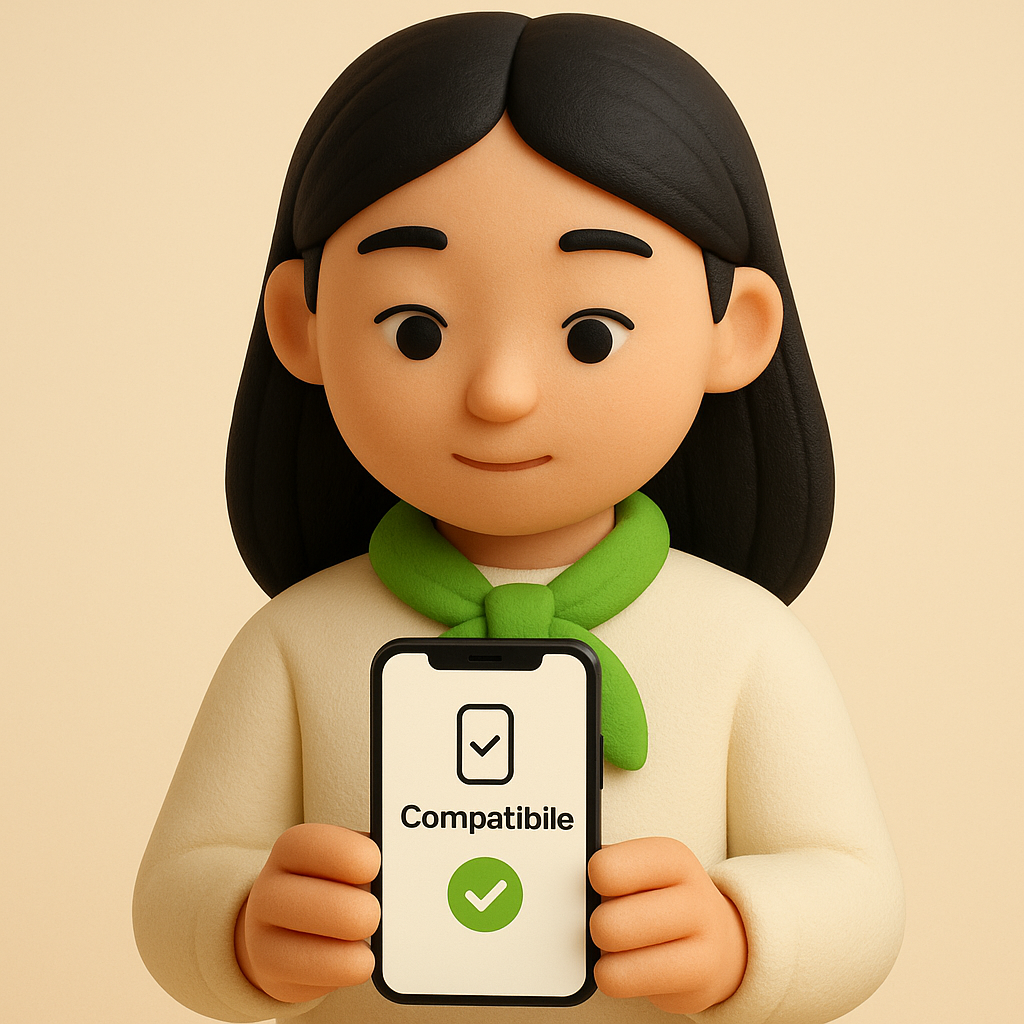
Check compatibility
Make sure your phone supports eSIM — most recent models do.
2
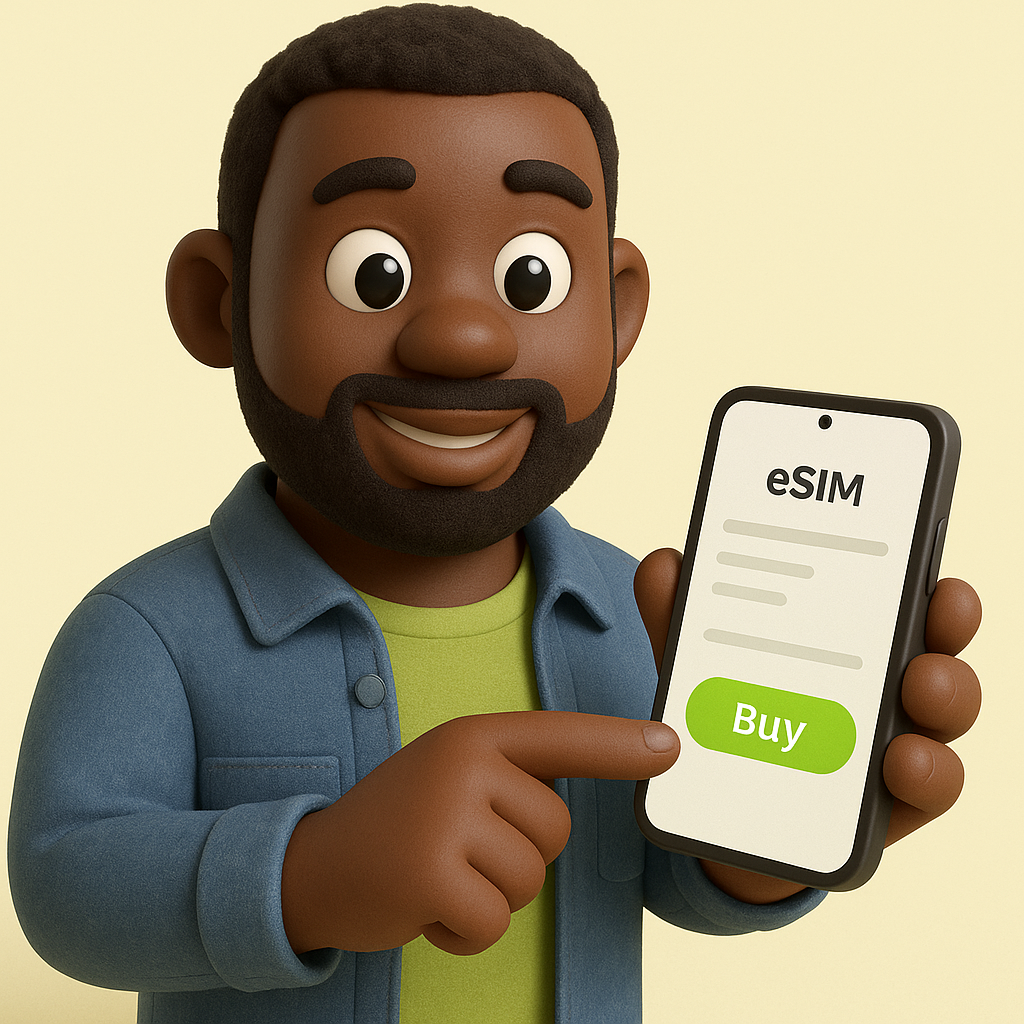
Buy your eSIM
Pick a plan and pay securely. Your QR code arrives by email in minutes.
3
Scan & connect
Scan the QR code, enable data roaming on arrival, and you're online.
 WhatsApp +44 7367 063273