WhatsApp +44 7367 063273
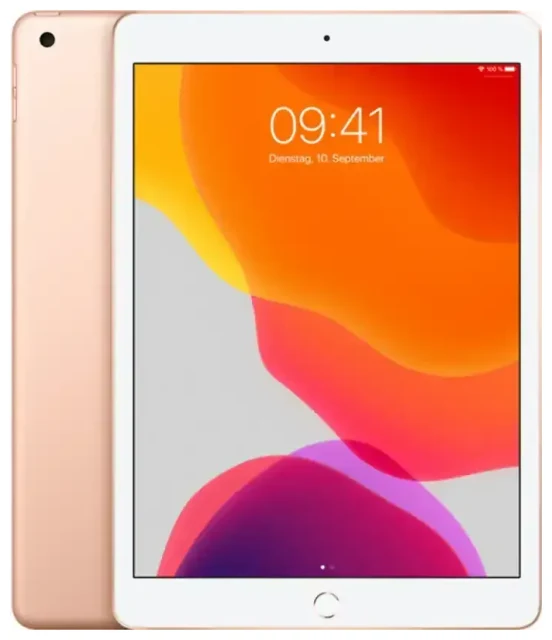
Does the Apple iPad (7th Generation) support eSIM?
Yes, the Apple iPad (7th Generation) supports eSIM, but only on Wi-Fi + Cellular models. If you have the Wi-Fi-only version, there is no eSIM support and no physical SIM card slot either.
Apple iPad (7th Generation) eSIM compatibility
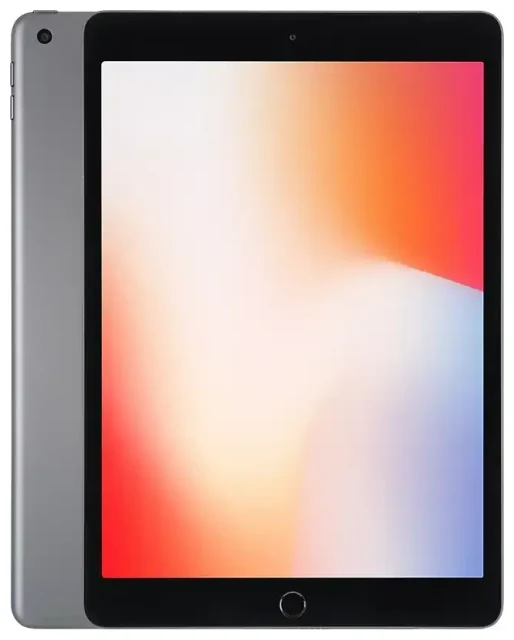
The iPad (7th Generation) was released in September 2019. Models with Wi-Fi + Cellular connectivity (model number A2197, A2200, or A2198) include an embedded eSIM. These models were sold globally, though availability varies by region. Your iPad can use the eSIM to connect to a mobile network for data when you're away from Wi-Fi.
The Apple iPad (7th Generation) does not have a physical nano-SIM slot. It's eSIM-only for cellular connectivity. That means you can use one eSIM profile at a time—there is no dual SIM capability on this model. If you need to switch carriers or data plans, you'll delete the old eSIM profile and install a new one.
How to confirm your iPad has cellular capability
Check Settings > General > About. If you see a section labeled "Carrier" or "Cellular Data," you have a Wi-Fi + Cellular model with eSIM support. You can also look for the black antenna band on the top edge of the device—Wi-Fi-only models don't have this.
How to set up an eSIM on the Apple iPad (7th Generation)
Setting up an eSIM on your Apple iPad (7th Generation) takes about a minute. You'll need your eSIM QR code from your carrier or travel eSIM provider, and an active internet connection (Wi-Fi is fine for the initial install).
Set up an eSIM in Settings
- Open Settings and tap Cellular Data (or Mobile Data).
- Tap Set Up Cellular Data or Add a New Plan.
- Use your iPad's camera to scan the QR code provided by your carrier or eSIM provider. Hold the device steady until the code is recognized.
- Tap Add Cellular Plan when prompted, then wait 10–60 seconds for the profile to download and activate.
- Label your plan if you like (e.g. "Travel Data" or "Home"), then tap Continue.
- Toggle on Turn On This Line to start using mobile data immediately.
If your provider supports app-based activation or manual entry, you can tap Enter Details Manually instead of scanning a QR code. Follow the on-screen instructions to complete setup.
Switching or removing an eSIM profile
Because the iPad (7th Generation) holds only one eSIM profile at a time, you'll need to remove an existing profile before adding a new one. Go to Settings > Cellular Data, tap the plan you want to remove, then choose Remove Cellular Plan. You can reinstall it later if your provider allows reactivation.
Using a travel eSIM on the Apple iPad (7th Generation)
A travel eSIM is the easiest way to get mobile data on your iPad abroad without paying roaming fees. Instead of hunting for a local SIM card shop, you install the eSIM before you leave home and activate it when you land.
Why a travel eSIM makes sense for iPad users
Your iPad doesn't make phone calls, so you don't need to preserve a number for texts or voice. That makes it ideal for data-only travel eSIMs. Install the profile a day or two before departure, keep it turned off until you arrive, then toggle it on in Settings > Cellular Data. You'll have internet for maps, email, and work apps the moment you step off the plane.
Browse regional and global data plans on our browse eSIM plans page. Many providers offer iPad-compatible eSIMs with coverage in dozens of countries, so you can use one plan across a whole trip.
Install before you fly
Connect to Wi-Fi at home, scan the QR code, and let the eSIM profile download. Leave the line turned off (Settings > Cellular Data > toggle off the travel plan) until you're in your destination country. When you land, turn it on and enable data roaming for that line. Your iPad will connect automatically.
Tips & troubleshooting
Most eSIM installs on the iPad (7th Generation) work smoothly, but a few settings can trip you up if they're not configured correctly.
Turn on data roaming for the eSIM line
After activating your eSIM, go to Settings > Cellular Data, tap your eSIM plan, and toggle Data Roaming on. Travel eSIMs require roaming to be enabled because they connect through local partner networks. This won't trigger surprise charges—your travel eSIM plan has a fixed data allowance.
Fix an eSIM that won't activate
If the QR code won't scan, check that your camera lens is clean and the code is well lit. You can also take a screenshot of the QR code on another device, open it in Photos on your iPad, and scan it from the screen. Alternatively, ask your provider for manual activation details (SM-DP+ address and activation code) and enter them under Enter Details Manually.
If the eSIM profile installs but won't connect, restart your iPad and confirm you're in an area with network coverage. You can check another device's eSIM compatibility or visit our eSIM setup help page if you're still stuck.
Keep your home SIM active for calls and 2FA
Because the iPad (7th Generation) supports only one eSIM at a time and has no physical SIM slot, you can't run a second line simultaneously. If you need to receive SMS for two-factor authentication, keep your phone handy or set up authentication apps that don't rely on SMS.