WhatsApp +44 7367 063273
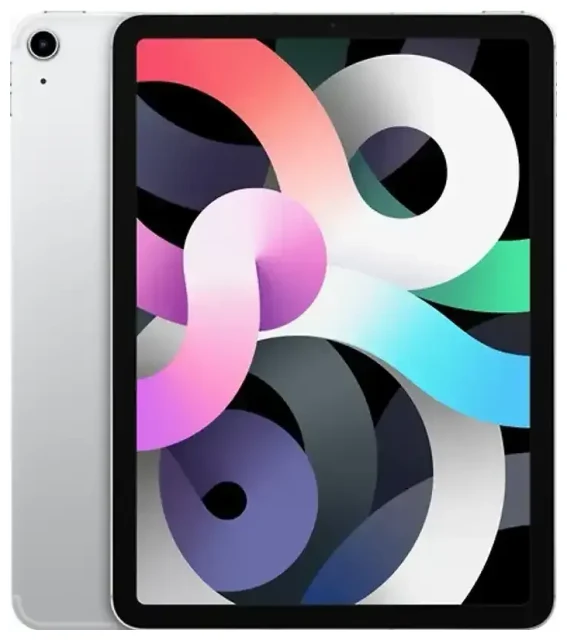
Does the Apple iPad Air (4th Generation) support eSIM?
Yes, the Apple iPad Air (4th Generation) supports eSIM—but only on Wi-Fi+Cellular models. If you purchased the Wi-Fi-only version, you won't have cellular capability or eSIM support. Released in October 2020, the cellular-equipped iPad Air 4 includes both a nano-SIM card slot and built-in eSIM technology.
Apple iPad Air (4th Generation) eSIM compatibility by model
All Wi-Fi+Cellular variants of the Apple iPad Air (4th Generation) support eSIM, regardless of region. The model numbers are A2324 (Wi-Fi+Cellular) and A2072 (Wi-Fi+Cellular, China mainland only). The Wi-Fi-only model (A2316) does not have cellular radios and cannot use eSIM or physical SIM cards.
Dual SIM capability on the iPad Air 4
The Apple iPad Air (4th Generation) supports one active cellular connection at a time. You can use either the physical nano-SIM or one eSIM profile, but not both simultaneously. This differs from dual-SIM phones; iPads are designed to hold multiple eSIM profiles in storage, but only one can be active for data. You can switch between stored profiles in Settings whenever needed.
How to set up an eSIM on the Apple iPad Air (4th Generation)
Setting up an eSIM on your iPad Air 4 takes about a minute once you have your QR code from your carrier or travel eSIM provider. Make sure you're connected to Wi-Fi before you begin, and that your iPad is running iPadOS 14 or later.
Step-by-step eSIM installation
- Open Settings on your Apple iPad Air (4th Generation).
- Tap Cellular Data (or Mobile Data in some regions).
- Select Add a New Plan or Add Data Plan.
- Use your iPad's camera to scan the QR code provided by your carrier or eSIM provider. Alternatively, if you received a confirmation code, tap Enter Details Manually and input the activation details.
- Wait 30–60 seconds while the eSIM profile downloads and activates. You'll see a confirmation once installation is complete.
- Label your plan with a recognizable name like "Travel Data" or "Work SIM" to keep track if you store multiple eSIM profiles.
- Toggle on Turn On This Line if prompted, and ensure Data Roaming is enabled for the eSIM line if you're traveling internationally.
Managing multiple eSIM profiles
Your Apple iPad Air (4th Generation) can store multiple eSIM profiles, making it easy to switch between carriers without re-downloading. To change your active plan, go to Settings > Cellular Data, select the plan you want to use, and toggle it on. The previously active plan will automatically deactivate.
Using a travel eSIM on the Apple iPad Air (4th Generation)
A travel eSIM is the easiest way to get mobile data abroad without paying expensive roaming fees on your home carrier. Instead of hunting for a local SIM card shop when you land, you can browse eSIM plans before your trip, install the profile while you're still at home, and activate it when you arrive at your destination.
Why travel eSIMs work perfectly on the iPad Air 4
The Apple iPad Air (4th Generation) eSIM setup is ideal for international travel because you can keep your physical SIM in the tray (if you use one) and simply activate a regional or country-specific data plan on the eSIM. You'll have immediate internet access for maps, messaging, and work apps the moment you land. Many travelers install the travel eSIM a day or two before departure to avoid any last-minute connectivity issues at the airport.
Because the iPad Air 4 stores multiple eSIM profiles, you can pre-load plans for several destinations on a multi-country trip and switch between them in Settings as you cross borders. This flexibility means you're never stuck without data, and you avoid the hassle of swapping physical SIM cards or paying for expensive day-pass roaming.
Tips & troubleshooting
Most eSIM installations on the Apple iPad Air (4th Generation) complete without issues, but a few common hiccups can slow you down. Here's how to handle them and optimize your setup.
Enable data roaming for your eSIM line
If your eSIM isn't connecting abroad, the most common fix is turning on data roaming. Go to Settings > Cellular Data, tap your eSIM line, and toggle Data Roaming on. Despite the name, travel eSIM plans are designed for roaming and won't incur surprise charges—the data allowance you purchased is what you get.
Fix an eSIM that won't activate
If the QR code won't scan, check that your camera lens is clean and you have good lighting. You can also ask your provider for manual activation details (SM-DP+ address and activation code) and enter them under Enter Details Manually. If the profile downloads but won't activate, restart your iPad Air 4 and wait a few minutes—network registration can occasionally take time.
For persistent issues, confirm your iPad is running the latest iPadOS version, and that you haven't already used a one-time QR code (most eSIM QR codes can only be scanned once). If you're still stuck, you can get eSIM setup help or contact your eSIM provider for a replacement QR code.
Check another device's compatibility
Not sure whether your phone or another tablet supports eSIM? You can check another device's eSIM compatibility quickly to confirm before purchasing a plan. eSIM support varies widely across manufacturers and model years, so it's worth verifying first.