WhatsApp +44 7367 063273
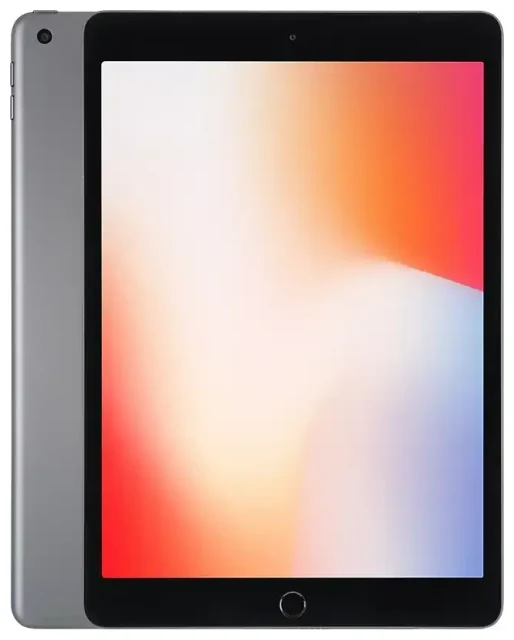
Does the Apple iPad (8th Generation) support eSIM?
Yes, the Apple iPad (8th Generation) supports eSIM, but only if you have a Wi-Fi + Cellular model. The Wi-Fi-only version does not have cellular capability at all, so it cannot use eSIM or a physical SIM card. If you purchased an iPad 8th generation with cellular connectivity, you can use eSIM for mobile data.
Apple iPad (8th Generation) eSIM compatibility
All Wi-Fi + Cellular variants of the iPad (8th Generation) include eSIM functionality, regardless of whether you bought the 32GB or 128GB storage configuration. This model also features a nano-SIM card tray, which means you can use either a traditional physical SIM or an eSIM—but not both simultaneously. Unlike some newer iPads and iPhones that support dual SIM (physical SIM plus eSIM, or dual eSIM), the Apple iPad (8th Generation) allows only one active cellular connection at a time.
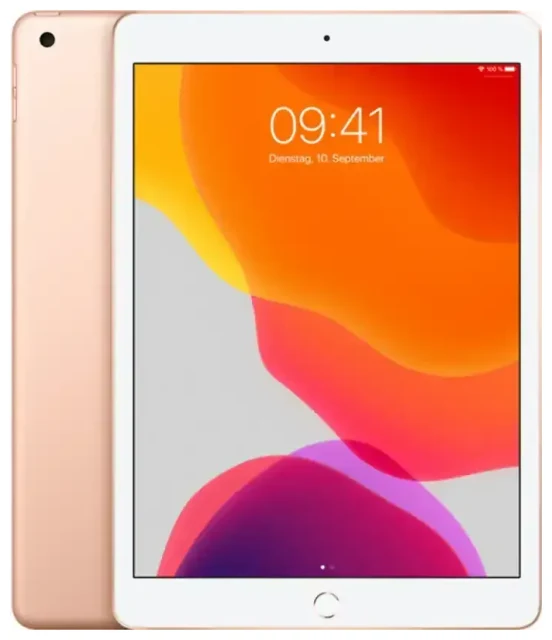
Released in September 2020, the iPad (8th Generation) is a 10.2-inch model. It's important not to confuse it with the 11-inch iPad Air or iPad Pro models, which have different form factors and cellular capabilities.
How to set up an eSIM on the Apple iPad (8th Generation)
Setting up an eSIM on your Apple iPad (8th Generation) takes about a minute once you have your QR code from your carrier or travel eSIM provider. Make sure your iPad is connected to Wi-Fi before you begin, and that it's running iPadOS 13 or later.
Set up an eSIM in Settings
- Open Settings and tap Cellular Data (or Mobile Data in some regions).
- Tap Add a New Plan or Set Up Cellular if this is your first plan.
- Use your iPad's camera to scan the QR code provided by your carrier or eSIM provider. The code will typically be emailed to you or displayed in your account dashboard.
- Wait about 30–60 seconds while your iPad installs the eSIM profile. You'll see a confirmation when activation is complete.
- Label your plan with a recognizable name (for example, "Travel Data" or your carrier name) to help you identify it later.
- Turn on Cellular Data for the eSIM line if prompted, and you're ready to connect.
If your eSIM provider offers manual entry instead of a QR code, tap Enter Details Manually in step 3 and input the activation code, SM-DP+ address, and confirmation code they provide.
eSIM vs physical SIM on the iPad (8th Generation)
Because the iPad (8th Generation) supports only one active cellular line at a time, you'll need to choose between using your physical nano-SIM or your eSIM. You can store multiple eSIM profiles on the device, but only one can be active for data. If you insert a physical SIM while an eSIM is active, you'll need to switch between them manually in Settings > Cellular Data.
Using a travel eSIM on the Apple iPad (8th Generation)
A travel eSIM is the easiest way to get mobile data abroad without paying expensive roaming fees on your home plan. Instead of hunting for a physical SIM card when you land, you can install a travel eSIM before you fly and have data the moment your plane touches down.
Install before you depart
Purchase and install your travel eSIM while you're still at home and connected to Wi-Fi. The eSIM profile will sit dormant on your iPad until you arrive at your destination and turn on cellular data for that line. You can browse eSIM plans by country or region and choose the data allowance that fits your trip. Most providers email your QR code instantly, so setup takes just a few taps in Settings.
When you're traveling with the Apple iPad (8th Generation), you'll have constant access to maps, email, messaging apps, and work documents without needing to find local Wi-Fi hotspots. If you have a Wi-Fi-only iPad 8th generation, you won't be able to use eSIM or any cellular connection; you'll rely on tethering to your phone or public Wi-Fi networks instead.
Tips & troubleshooting
Getting the most from your Apple iPad (8th Generation) eSIM setup is straightforward, but a few common issues can trip you up. Here's what to check if your eSIM isn't working as expected.
Turn on data roaming for the eSIM line
Even though you're using a local or regional travel eSIM, you may still need to enable Data Roaming in Settings > Cellular Data > [Your eSIM Plan] > Data Roaming. Some eSIM providers require this toggle to be on, especially for multi-country plans that route traffic across partner networks.
If you keep a home SIM active (either physical or as a stored eSIM profile), leave that line available for incoming calls and two-factor authentication codes. Just make sure cellular data is assigned to your travel eSIM to avoid roaming charges on your primary plan.
Fix an eSIM that won't activate
If the QR code won't scan, check that your camera lens is clean and that you're holding the iPad steady with good lighting. You can also try entering the activation details manually if your provider includes an SM-DP+ address and activation code. Restart your iPad if the eSIM profile installs but won't connect—this often resolves activation glitches.
Make sure your iPad is running the latest version of iPadOS and that your carrier or travel eSIM provider supports the iPad (8th Generation). If you continue to have trouble, you can get eSIM setup help from your provider's support team. You can also check another device's eSIM compatibility if you're planning to use eSIM across multiple gadgets on your trip.