WhatsApp +44 7367 063273
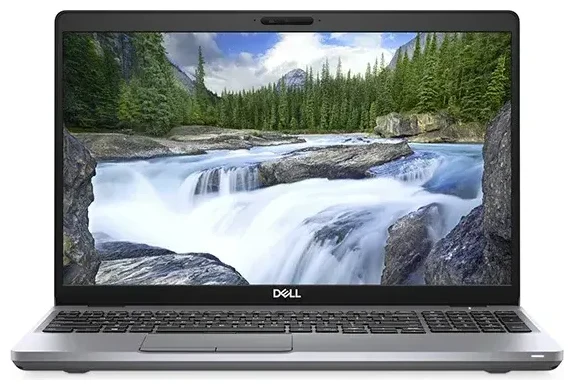
Does the Dell Latitude 5511 support eSIM?
Dell Latitude 5511 eSIM compatibility
The Dell Latitude 5511 supports eSIM, but only on models configured with WWAN (Wireless Wide Area Network) mobile broadband. This is an optional upgrade at the time of purchase, not a standard feature on all units. If your Latitude 5511 came with Wi-Fi only, it does not have eSIM capability.
WWAN-equipped Latitude 5511 models typically include a Qualcomm Snapdragon X20 or Intel XMM 7360 LTE-Advanced modem. These support a single eSIM profile at a time—there is no physical nano-SIM slot on this device, so you rely entirely on eSIM for cellular connectivity. You cannot use a physical SIM and eSIM simultaneously because the hardware design does not include a traditional SIM tray.
How to confirm your Latitude 5511 configuration
Check your original purchase order or the Dell service tag lookup tool on Dell's support site. The service tag is printed on the bottom of the laptop. Enter it on Dell's website to view your exact hardware configuration. If "WWAN" or "Mobile Broadband" appears in the specifications, your unit supports eSIM. If you see only "Wi-Fi" or "Wireless LAN," your model does not. The Latitude 5511 service manual, available as a PDF from Dell, also lists WWAN as an optional component, so not every unit shipped with this feature.
How to set up an eSIM on the Dell Latitude 5511
Set up an eSIM in Windows Settings
If your Latitude 5511 has WWAN, activating an eSIM profile takes about 60 seconds. You'll receive a QR code from your eSIM provider—either by email or in your account dashboard—and Windows will handle the installation. Make sure you're connected to Wi-Fi before you start, because the activation process requires an internet connection.
- Open Settings on your Latitude 5511 (press Windows key + I).
- Navigate to Network & Internet, then select Cellular in the left sidebar.
- Click Manage eSIM profiles (or Use a QR code from my mobile operator if no profiles are installed yet).
- Scan the QR code provided by your eSIM carrier using a phone, or click Enter activation code manually and type the SM-DP+ address and activation code.
- Windows will download and install the eSIM profile. This typically takes 30–60 seconds.
- Once installed, give the profile a recognizable label (e.g., "Travel Data" or "Work SIM") so you can identify it later.
- Toggle Use this SIM for cellular data to enable the connection, then restart your laptop if prompted.
Switching between eSIM profiles
The Latitude 5511 stores multiple eSIM profiles but can only use one at a time. To switch, return to Settings > Network & Internet > Cellular > Manage eSIM profiles, select the profile you want, and click Use. The currently active profile will disconnect, and the new one will take over within a few seconds.
Using a travel eSIM on the Dell Latitude 5511
A travel eSIM is one of the easiest ways to get mobile data abroad without paying roaming fees on your home plan. Because the Latitude 5511 relies on eSIM for all cellular connectivity, you can install a regional or country-specific data plan before you leave and stay online the moment you land. You don't need to find a shop, swap physical SIM cards, or configure APN settings—everything happens in Windows.
Install your travel eSIM while you're still at home and connected to Wi-Fi. Most providers send the QR code immediately after purchase, so you can load the profile, test the connection, and label it clearly. When you arrive at your destination, simply enable the travel eSIM profile in Settings and disable any existing profile you don't need. Your Latitude 5511 will connect to local networks automatically.
You can browse eSIM plans for over 200 countries and regions, compare data allowances, and pick a plan that matches your trip length. Because the Latitude 5511 does not have a physical SIM slot, eSIM is your only option for cellular data on this device—but that also means you avoid the hassle of carrying adapters or losing tiny SIM cards.
Tips and troubleshooting
Turn on data roaming for your eSIM line
Even though you've installed a local or regional eSIM, Windows sometimes requires you to enable data roaming before the connection works. Go to Settings > Network & Internet > Cellular, select your active eSIM profile, and toggle Roaming options to On. This is normal and will not trigger extra charges if you're using a prepaid travel eSIM—the plan you purchased already includes the data allowance.
What to do if the QR code won't scan
If you don't have a second device to display the QR code, or Windows isn't recognizing it, use manual entry instead. Your eSIM provider will give you an SM-DP+ address and an activation code (a long alphanumeric string). In Settings > Network & Internet > Cellular > Manage eSIM profiles, click Enter activation code manually and paste both fields. Windows will fetch the profile directly from the carrier's server.
Check for WWAN driver updates
If your eSIM profile installed but won't connect, your WWAN modem drivers may be out of date. Visit Dell's support site, enter your service tag, and download the latest drivers for your Qualcomm or Intel modem. Restart the laptop after installation. You can also run Windows Update—it often pulls in modem firmware automatically. If issues persist, you can get eSIM setup help or contact your eSIM provider to confirm the profile is active on their end.
Managing multiple eSIM profiles
The Latitude 5511 can store several eSIM profiles simultaneously, which is useful if you travel frequently or need separate work and personal data plans. Remember that only one profile can be active at a time. To avoid confusion, label each profile clearly when you install it, and delete old or expired profiles in Manage eSIM profiles to keep your list tidy. If you want to check another device's eSIM compatibility, you can compare options for phones or tablets you use alongside your laptop.